


How Do Data Centers Maintain Continuous Power?
The expansion of cloud computing drives continuous growth in data center infrastructure. These facilities require uninterrupted electricity to maintain operations process data and prevent downtime. When grid power experiences fluctuations facilities transition to standby power systems to secure their electrical load.
Media outlets like Inside Climate News frequently document the growing strain on local grids and the massive deployment of standby equipment. As facilities scale operational resilience comes under strict scrutiny. This article examines the engineering solutions and hybrid architectures that allow modern standby power plants to guarantee continuous electricity under any grid conditions.
Key Takeaway
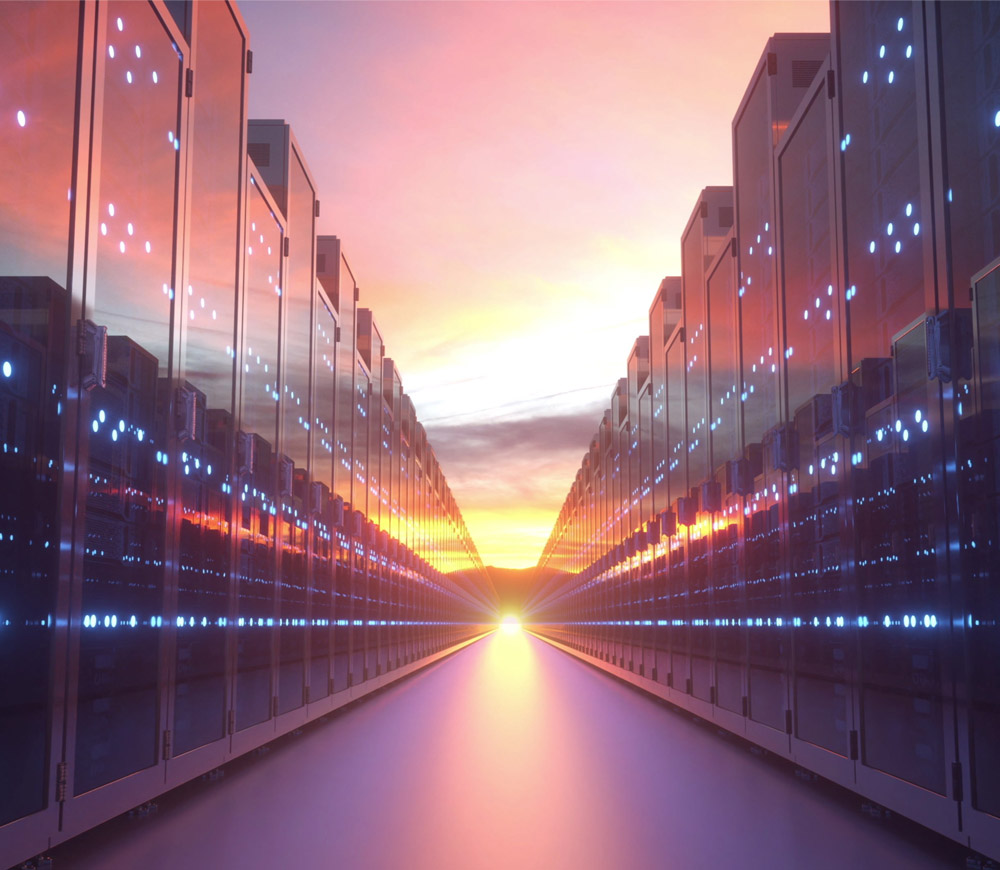
Data centers maintain continuous power by deploying hybrid power systems that integrate Battery Energy Storage Systems with diesel generators. Facilities secure continuous uptime against grid fluctuations and prolonged outages. Battery storage instantly handles transient loads while modern diesel engines provide reliable electricity during extended grid failures. PowerLink Energy manufactures these integrated hybrid solutions delivering uninterrupted electricity to prevent downtime and protect data infrastructure.
Managing Grid Failures and Power Transitions
Securing absolute uptime requires mechanical precision during a blackout. When the utility grid fails the facility experiences an immediate loss of voltage. Servers and cooling infrastructure cannot tolerate even millisecond delays. To bridge the gap between grid failure and generator activation facilities utilize an Automatic Transfer Switch combined with energy storage.
The Automatic Transfer Switch detects the voltage drop and signals the standby systems to engage. In traditional setups this process involves a slight delay as the diesel engine cranks accelerates and reaches the correct operating frequency. Modern facilities eliminate this delay entirely by placing batteries inline with the power distribution units. The batteries discharge instantly providing a seamless flow of electricity to the servers while the mechanical engines prepare to assume the total facility load.
Redundancy Topologies in Facility Design
Data center engineers implement redundancy architectures to eliminate single points of failure. Facilities commonly utilize N plus one or two N power topologies. In an N plus one design the facility installs one additional generator beyond the exact capacity required to carry the maximum electrical load. If one unit requires maintenance the redundant unit activates to maintain continuous power.
In a two N architecture the facility builds two completely independent power paths from the utility feed down to the server racks. Each path possesses its own dedicated battery systems and diesel generators. This absolute isolation ensures that an equipment failure on one power line never affects the continuous operation of the computing hardware.
The Engineering Reality of Standby Power
To prevent server downtime facilities rely on robust power architectures. Traditional setups depend heavily on standalone diesel generators. Diesel fuel contains a high energy yield per volume allowing facilities to store massive amounts of potential electricity on site. A modern diesel engine provides reliable sustained electricity during extended grid failures ensuring servers remain online.
Relying solely on mechanical engines introduces the aforementioned delays during start sequences. Facilities now adopt advanced topologies to bridge these gaps and secure absolute continuous power.
The Shift to Hybrid Power Systems
The most effective method to secure facility uptime is transitioning from standalone diesel setups to hybrid power architectures.
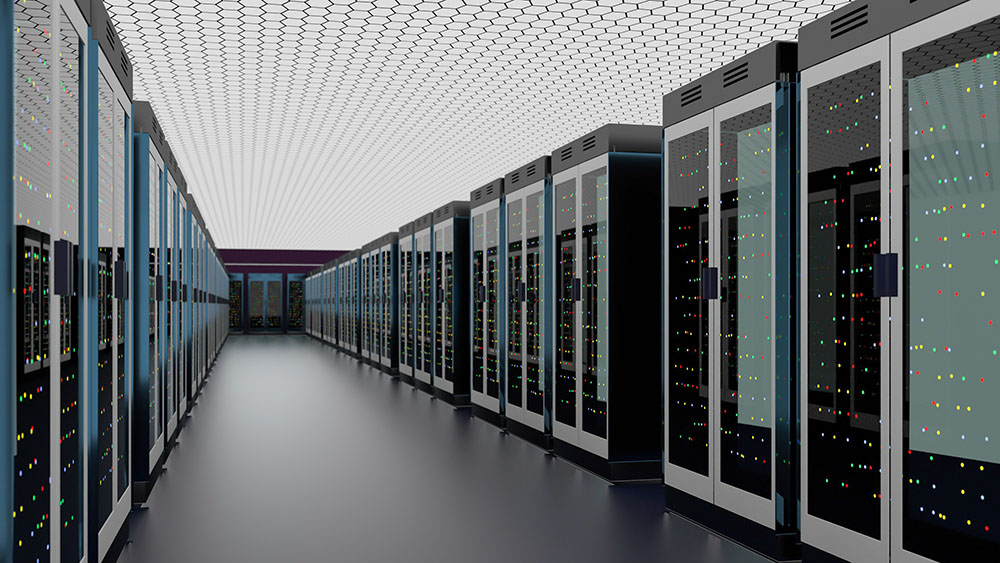
These hybrid configurations integrate Battery Energy Storage Systems with modern diesel generators. During short duration grid anomalies or transient load spikes the battery system instantly supplies electricity. This process guarantees continuous power preventing the diesel engine from starting for minor power events. The diesel generator remains a reliable asset reserved exclusively for extended grid failures. By combining these technologies facilities secure their power supply with zero interruption.
PowerLink Energy Hybrid Data Center Solutions
PowerLink Energy manufactures specialized hybrid power systems tailored to the specific requirements of data centers. Rather than relying solely on traditional setups PowerLink integrates advanced Battery Energy Storage Systems with modern diesel generators.
The integrated smart controllers optimize the transition between battery power and diesel generation ensuring facilities maximize operational efficiency while maintaining absolute continuous power. Partnering with top tier engine manufacturers PowerLink provides heavy duty power plants that deliver reliable electricity under high demand. Our engineering teams conduct rigorous factory acceptance testing on every unit to verify load acceptance and transient response capabilities before deployment.
Explore the specifications of our hybrid power architectures. Visit the PowerLink Data Center Hybrid Systems page to review technical data or contact our engineering team to design a compliant standby power solution for your facility.
Frequently Asked Questions
Q How do data centers maintain continuous power?A: Data centers maintain continuous power by utilizing hybrid standby systems. These systems combine grid electricity with battery storage for immediate backup and diesel generators for long term outages ensuring servers never lose power.Q How do hybrid power systems ensure data center operations?A: Hybrid systems pair battery storage with diesel generators. The batteries instantly cover short power outages providing uninterrupted electricity while the diesel generators activate for prolonged grid failures guaranteeing total facility uptime.
Q Why do data centers use diesel generators?
A: Data centers use diesel generators because of their high energy density durability and rapid response time. A modern diesel engine provides massive amounts of electricity during extended grid failures ensuring servers remain online.
Q How fast do backup power systems respond to grid failures?
A: In a hybrid architecture the Battery Energy Storage System responds instantly supplying electricity with zero delay. The diesel generators then reach full operational speed within seconds to take over the sustained electrical load.