



Diesel vs Gas Generators: The Ultimate Guide to Efficiency, Cost, and Performance (2026)
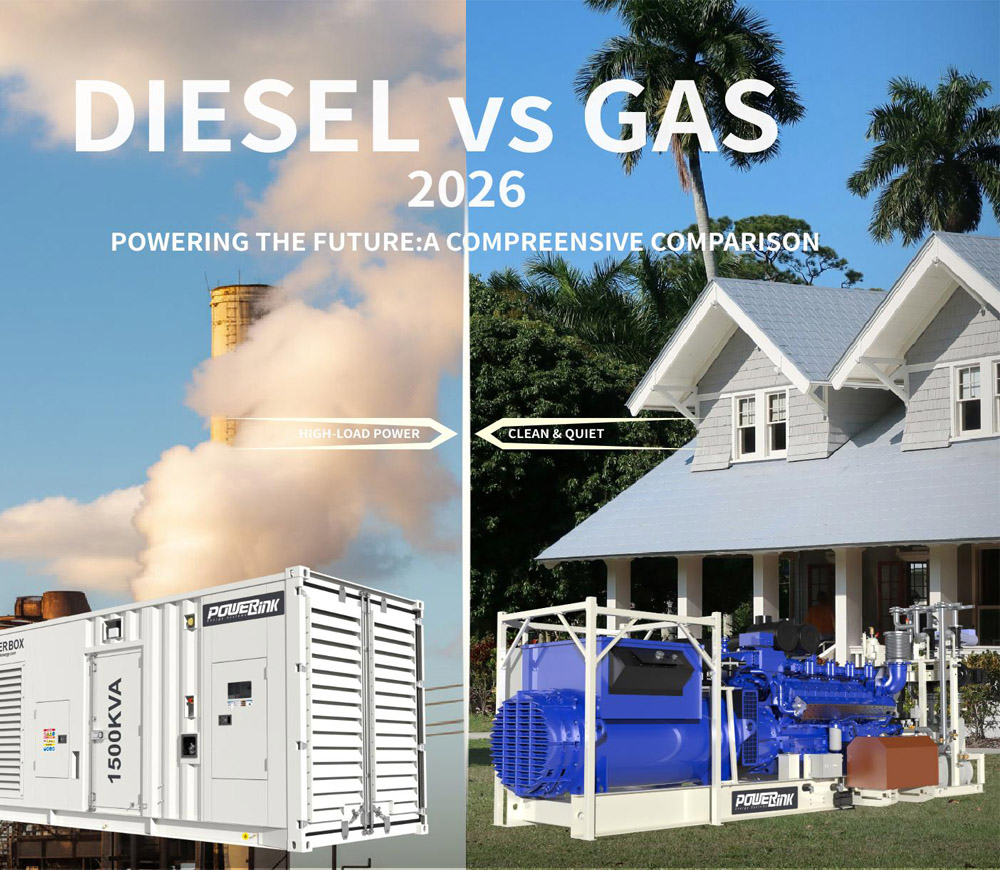
Selecting the correct generator requires a clear understanding of the differences between diesel and gas generators. Both types convert fuel into electricity. However, they possess distinct features that influence their efficiency, fuel costs, performance, and environmental impact. These differences dictate which generator is best suited for your specific needs across residential, commercial, or industrial applications.
This guide compares diesel and gas generators directly. We examine key aspects including fuel efficiency, operational costs, reliability, emissions, and ideal applications. By the end of this guide, you will be fully prepared to make a well informed decision.
Quick Answer
Diesel generators use compression ignition. They offer superior fuel efficiency and are ideal for high load, heavy duty industrial applications. Gas generators use spark ignition. They produce lower emissions and are perfectly suited for continuous residential or light commercial use. Your choice depends entirely on your load requirements, budget, and environmental goals.
What Is the Difference Between Diesel and Gas Generators?
The primary difference between diesel generators and gas generators lies in their combustion systems and fuel types.
Diesel generators use compression ignition. The fuel ignites under high pressure. This process allows for higher torque and exceptional fuel efficiency. This makes diesel engines particularly suitable for heavy duty applications that require consistent high performance.
Gas generators include both natural gas and gasoline engines. They use spark ignition. This system is simpler and less efficient under heavy loads. It works perfectly in applications with steady and predictable power demands.
Furthermore, the type of fuel impacts site storage and routine maintenance. Diesel fuel has a high energy density. You can store it directly on site for total fuel autonomy. Gasoline and natural gas require regular refueling or pipeline connections. This adds a layer of reliance on external infrastructure.
Key Differences Comparison
| Parameter | Diesel Generators | Gas Generators (Natural Gas / Gasoline) |
| Combustion Method | Compression Ignition | Spark Ignition |
| Fuel Type | Diesel | Natural Gas / Gasoline |
| Energy Density | High | Moderate |
| Load Performance | High under heavy load | Steady under moderate load |
| Infrastructure Dependency | Low (Independent storage) | High (Pipeline or frequent refills) |
Which Generator Is More Efficient?
Diesel generators perform significantly better in high load situations. Diesel fuel contains more energy per gallon. You require less fuel to produce the exact same amount of electricity compared to gas. This higher energy density translates directly into lower fuel consumption per kilowatt hour generated. Diesel generators are the most economical choice for frequent use or long operational durations.
Natural gas generators perform best under steady and moderate loads. They are highly suitable for applications requiring constant power. Examples include residential areas or light commercial buildings. Gasoline generators are the least fuel efficient option. They consume fuel rapidly under load and are best reserved for short term or portable applications.
Fuel Efficiency Breakdown
| Operating Condition | Diesel Generator | Natural Gas Generator | Gasoline Generator |
| High Load | Highly efficient | Moderate efficiency | Low efficiency |
| Continuous Operation | Efficient | Efficient | Less efficient |
| Fuel Consumption Rate | Lower | Moderate | Higher |
Fuel Cost and Operating Expenses
Evaluating the total cost of ownership requires a close look at both the initial investment and the long term operational costs.
The Economics of Diesel Generators
Diesel generators command a higher initial purchase price. However, their superior fuel efficiency and longer service intervals result in lower operating costs over time. The high energy density allows these generators to run longer on a single tank. This makes them ideal for high demand or remote applications where frequent refueling is completely impractical. Diesel engines possess robust construction and fewer moving parts. This results in notably lower maintenance costs.
The Economics of Gas Generators
Gas generators are usually cheaper to purchase upfront. This is particularly true for natural gas units. However, natural gas fuel costs fluctuate based on regional pricing. They often become more expensive over time for high load applications. Gas generators do not require on site fuel storage. This completely removes the initial setup costs associated with external fuel tanks.
Cost Factor Comparison
| Cost Factor | Diesel Generators | Gas Generators |
| Initial Investment | Higher | Lower |
| Fuel Cost per kWh | Lower | Variable (depends on local gas supply) |
| Infrastructure Cost | Requires fuel storage | Minimal (reliant on pipeline) |
| Long Term Expense | Lower in high usage scenarios | Higher in high load scenarios |
Reliability and Power Performance
Reliability is the most critical factor when consistent power is essential. Diesel generators easily handle heavy loads and maintain stable power output over extended periods. They are the standard choice for applications requiring uninterrupted power. Key examples include hospitals, data centers, and major industrial sites. Diesel engines are highly resilient to power demand fluctuations. They handle surge loads without significant performance degradation.
Gas generators are generally reliable but are specifically built for stable applications. They do not perform as well during sudden load increases. Natural gas generators depend entirely on a stable gas supply grid. This dependency presents a serious limitation during natural disasters or in remote areas.
Maintenance and Lifespan
You must consider maintenance frequency and total lifespan when assessing the long term value of any generator.
Diesel generators deliver longer lifespans and require significantly less maintenance. Diesel engines feature fewer parts that experience friction and wear. Engineers build them specifically to operate continuously under demanding industrial conditions.
Gas generators require more frequent servicing. Gasoline engines contain specific components like spark plugs. These parts experience rapid wear and demand regular scheduled replacement.
Environmental Impact
Environmental concerns play an increasingly significant role in generator selection. Regulatory standards are becoming stricter in urban regions globally.
Gas generators produce lower emissions compared to diesel generators. Natural gas units emit very low levels of nitrogen oxides and particulate matter. They are the ideal choice for urban environments with strict air quality regulations.
Diesel generators produce higher baseline emissions. However, the introduction of Tier 4 emission standards has completely transformed their environmental performance. Modern diesel engines feature advanced exhaust treatment technologies. These systems drastically reduce environmental impact, although they still emit slightly more pollutants than pure gas engines.
Noise, Safety, and Fuel Storage
Noise levels, fuel safety, and fuel storage regulations deeply affect generator selection.
Diesel generators are typically louder than gas generators. This creates challenges in residential or noise sensitive areas. Conversely, diesel fuel is much less flammable than gasoline. It is highly stable and safe to store on site for extended periods.
Gas generators operate quietly. They suit urban environments facing strict noise restrictions. However, storing gasoline poses severe safety and flammability risks. Natural gas requires no storage at all, but it requires a secure pipeline connection.
Best Applications: Diesel vs Gas Generators
Different generator types serve very different operational needs.
Choose a Diesel Generator for:
- Industrial operations with heavy and fluctuating power needs.
- Emergency backup power in remote or entirely off grid locations.
- High load and long duration applications.
Choose a Gas Generator for:
- Residential backup power during standard grid outages.
- Light commercial use with steady and predictable power demand.
- Urban locations prioritizing quiet operation and minimal emissions.
Advanced Scenario Comparison
| Scenario | Diesel Generators | Natural Gas Generators |
| Emergency Backup | Excellent (Independent fuel source) | Good (If pipeline remains active) |
| Continuous Power | Excellent | Excellent |
| Remote Operations | Excellent (Fuel delivered to site) | Poor (Unless pipeline access exists) |
How to Choose the Right Generator (Expert Guide)
Consider these exact factors when selecting your next generator system:
- Load Profile: Assess whether your power demand fluctuates heavily or remains steady.
- Fuel Availability: Determine if you possess reliable access to natural gas pipelines or if you must store diesel fuel on site.
- Budget Planning: Account for both the initial purchase price and the projected long term operating expenses over ten years.
- Environmental Impact: Review your local emission regulations and corporate environmental targets.
- Operational Requirements: Identify exactly whether the generator will serve strictly as a backup or provide continuous daily power.
Final Verdict: Which Generator Should You Choose?
Diesel generators are the ultimate choice for applications requiring high performance, supreme fuel efficiency, and absolute reliability under heavy loads. They dominate industrial, heavy backup, and remote operations.
Gas generators stand out as the appropriate solution for situations demanding clean emissions, quiet daily operation, and continuous steady power. Your final choice depends entirely on your exact operational needs, financial budget, and local environmental requirements.
Why PowerLink?
At PowerLink, we engineer customized generator solutions designed to meet your precise requirements. Whether your facility requires a robust diesel unit or an efficient gas generator, our team of technical experts will guide your selection. We ensure you choose the exact system necessary to guarantee long term reliability and maximum cost effectiveness. Contact PowerLink today to secure your power infrastructure.