


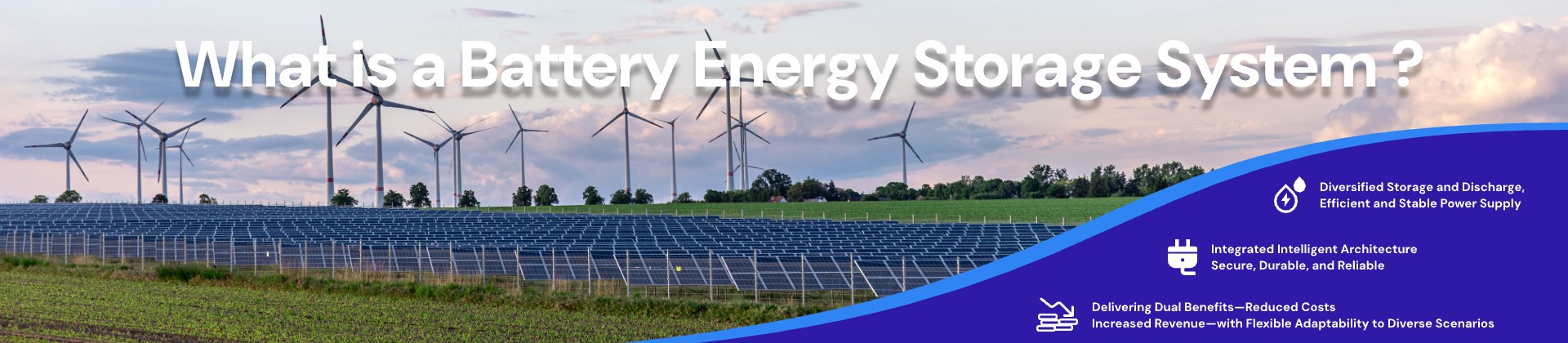
What is a Battery Energy Storage System (BESS)?
Executive Summary: What is a BESS?
A Battery Energy Storage System (BESS) is an advanced technological solution. It captures energy from the power grid or renewable sources like solar and wind plants.
The system stores this electricity in rechargeable batteries for later use. By utilizing a Power Conversion System and an intelligent Energy Management System, a BESS discharges electricity during periods of high demand. It also provides power during grid outages or peak electricity pricing windows.
Why Everyone is Talking About Battery Storage
The world is rapidly transitioning toward renewable energy. However, the intermittent nature of solar and wind power presents a massive challenge for grid stability. A Battery Energy Storage System (BESS) solves this exact problem. Once considered a niche technology, BESS has evolved into the cornerstone of modern electrical infrastructure.
For commercial and industrial facilities, a BESS is no longer just an emergency backup power source. It operates as an active, revenue generating asset. The hardware executes automated peak shaving.
It facilitates Virtual Power Plant participation and guarantees uninterrupted operations. This guide explores the anatomy of a BESS, its underlying technologies, EPA safety protocols, and the cutting edge innovations redefining energy storage today.
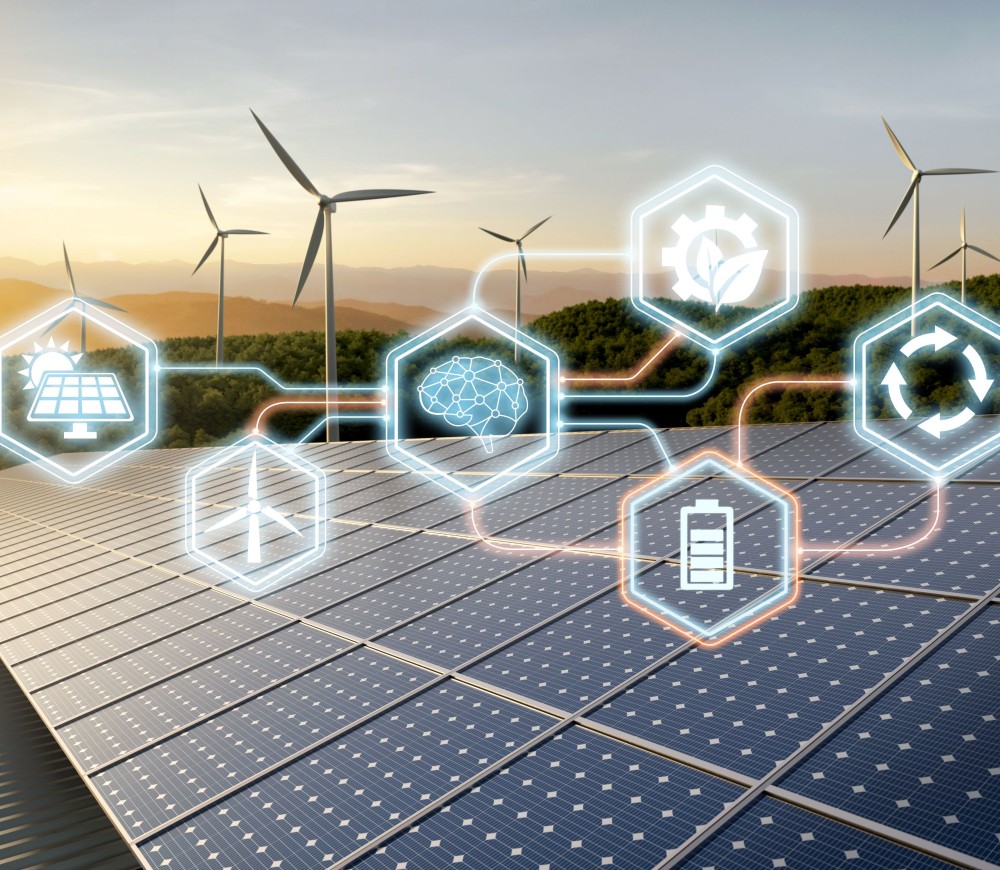
The Anatomy of a BESS
A BESS is much more than just a cluster of batteries. It is a highly integrated hardware and software ecosystem. Understanding these individual components is vital for facility managers evaluating energy storage solutions.
Battery System (The Storage Core)
The physical medium where energy is stored chemically. This system follows a strict hierarchical structure:
- Battery Cells: The fundamental units of storage.
- Battery Modules: Clusters of cells connected safely together.
- Battery Racks: Stacks of modules housed within secure climate controlled cabinets or containers.
Battery Management System (BMS)
The BMS acts as the digital guardian of the battery core. It constantly monitors voltage, current, and temperature at the cell level. The BMS balances the state of charge across all cells. It actively prevents overcharging or deep discharging. It also serves as the first line of defense against thermal runaway.
Power Conversion System (PCS)
Batteries store energy in Direct Current. However, the electrical grid and facility equipment operate on Alternating Current. The PCS acts as the bidirectional bridge. It converts AC to DC during the charging phase. It then converts DC to AC during the discharging phase. Advanced PCS units also provide critical grid support functions like reactive power compensation.
Energy Management System (EMS)
The EMS functions as the brain of the entire storage unit. The software dictates exactly when and how the BESS charges and discharges. It analyzes real time electricity tariffs, solar production forecasts, and facility load profiles. This active analysis optimizes your financial returns. It ensures the system discharges power when demand charges are highest.
HVAC and Thermal Management
Batteries generate significant heat during heavy operation. Modern BESS units are equipped with advanced liquid cooling systems. These systems maintain optimal operating temperatures between 20°C and 25°C. Keeping temperatures stable preserves battery lifespan and ensures maximum safety.
Fire Suppression System (FSS)
Following strict NFPA 855 and international safety standards, modern BESS units feature automated fire detection. This includes smoke, heat, and off gas sensors. The built in fire suppression system uses clean agents like Novec 1230 to mitigate fire risks immediately.
How BESS Operates
A BESS operates in three simple steps. First is the charging phase. The system pulls AC power from the grid or solar panels. The PCS inverter changes this to DC power and stores it in the battery cells. Second is the storage phase. The management software holds the power safely until needed. Third is the discharging phase. The inverter changes the DC power back to AC power. It then feeds this electricity directly to your factory or the public grid.
Comparing Battery Technologies in BESS
Different projects need different battery types. Here is what you need to know about the current market options.
| Battery Technology | Energy Density | Lifespan (Cycles) | Safety Profile | Primary Application | Future Outlook |
| Lithium Iron Phosphate (LFP) | Moderate (160 Wh/kg) | 6000 to 10000 plus | Excellent (High thermal stability) | Commercial & Utility Storage | The current industry standard due to safety and longevity. |
| Lithium Nickel Manganese Cobalt (NMC) | High (250 Wh/kg) | 3000 to 5000 | Moderate (Requires strict thermal management) | Space constrained sites | Declining in stationary storage due to fire risks and high cost. |
| Flow Batteries (Vanadium) | Low | 15000 plus (Virtually unlimited) | Ultimate (No fire risk) | Long duration energy storage | Growing rapidly for large utility scale projects needing 10 plus hours of discharge. |
| Solid-State Batteries | Very High | 10000 plus | Excellent (No liquid electrolyte) | High end Commercial | Transitioning from R&D to commercial viability. Expected to grow by 2030. |
PowerLink Technical Insight: At PowerLink, we exclusively utilize premium Lithium Iron Phosphate (LFP) cells for our heavy duty operations. You can see this technology applied in our Commercial Energy Storage System lineup. Their superior thermal stability ensures maximum safety and a rapid return on investment for commercial properties.
Key Applications and Financial Benefits of BESS
Why are businesses and utility companies investing millions into BESS infrastructure? The answer lies in its versatile application stacking capabilities.
Peak Shaving and Demand Charge Management
For commercial facilities, up to 50% of a monthly electricity bill comes from demand charges. These fees are based on the highest 15 minute spike in power usage. A BESS monitors the facility load constantly. It instantly discharges power during these sudden spikes. This flattens the demand curve and slashes monthly utility costs.
Load Shifting (Energy Arbitrage)
A BESS charges during off peak hours when electricity is cheap. It can also capture power when solar panels are overproducing. The system then discharges that stored energy during peak hours when utility rates skyrocket.
Grid Frequency Regulation
The power grid must maintain a constant frequency of 50Hz or 60Hz. When supply and demand mismatch, frequency fluctuates. High capacity hardware injects or absorbs massive amounts of power in milliseconds. To see this massive scale in action, review our Utility Scale Battery Storage solutions. These robust systems stabilize the national grid faster than any traditional gas power plant.
Virtual Power Plant (VPP) Integration
Operators can aggregate multiple decentralized BESS units to form a Virtual Power Plant. These systems communicate directly with the main grid. They sell stored energy back to utility markets during peak demand windows. This integration turns corporate battery systems into active profit centers.
Uninterrupted Backup Power (Resilience)
Traditional diesel generators take time to start up during an outage. A BESS provides instantaneous backup power during grid failures. This seamless transition ensures total continuity for manufacturing lines, data centers, and critical infrastructure.
Safety, EPA Guidelines, and Environmental Considerations
As BESS installations multiply globally, environmental and safety regulations become increasingly stringent. According to guidelines from environmental protection agencies like the US EPA, several core considerations must be addressed.
Thermal Runaway Prevention
Thermal runaway occurs when a battery cell overheats and causes a chain reaction. Modern BESS units prevent this through advanced off gas detection. Sensors detect the release of hydrogen gases before thermal runaway occurs. This triggers an automatic system shutdown. Cell level isolation also prevents heat propagation between compartments.
End of Life Management and Recycling (EPA Compliance)
Batteries contain critical minerals like lithium, cobalt, and nickel. The EPA strictly mandates the proper disposal and recycling of BESS units. Many degraded EV batteries are now repurposed for stationary BESS applications. This second life application extends their useful lifespan. Furthermore, modern hydrometallurgical recycling facilities can recover over 95% of materials from spent BESS units to manufacture new cells.
Get Real Advice for Your Next Project
A Battery Energy Storage System gives you control over your power supply and your budget. But every factory, hotel, and solar farm requires a different battery size. Guessing your capacity will cost you money.

Our engineering team looks at your actual utility bills and power interval data. We then build a system that fits your exact load profile. Please contact our engineering team today to discuss your specific load requirements and custom battery configurations.
BESS FAQ
Q: How long do these commercial batteries actually last?
A: A high quality LFP battery system will run for 10 to 15 years in a daily cycle environment. You can expect about 6000 to 8000 full deep charges before the battery capacity drops to 70 percent.
Q: Do I absolutely need solar panels to use a BESS?
A: Not at all. Many of our clients have zero solar panels. They just buy cheap night time grid power, store it in the BESS, and use it during the day to avoid high utility rates.
Q: Are these big battery containers safe to put near my building?
A: Yes. We engineer these systems to meet strict local fire codes like NFPA 855. They include active liquid cooling, physical heat shields, and automatic fire suppression gas built right into the cabinet.
Q: How fast will this system pay for itself?
A: The payback period depends heavily on your local utility rates. Most commercial facilities see a full return on investment within 3 to 5 years. High peak demand charges make this financial payback even faster.
Q: How much maintenance does the system require?
A: Modern battery systems need very little physical maintenance. Our cloud software monitors all battery cells remotely. Our technicians just perform a basic annual visual inspection and check the liquid cooling fluid levels.
Q: What is the difference between a BESS and a traditional UPS?
A: A traditional Uninterruptible Power Supply only provides a few minutes of emergency power. A true Battery Energy Storage System provides hours of reliable backup power. It also actively manages your daily energy usage to make you money.
Q: Can the battery cabinets survive extreme outdoor weather?
A: Yes. We build our outdoor enclosures to withstand harsh environments. The built in HVAC system keeps the internal batteries at a perfect room temperature even during freezing winters or extreme summer heat.
Q: How long does the installation process take?
A: We build our systems using a modular plug and play design. We assemble and test the core components at our factory. On site installation and final grid connections usually take only a few weeks.