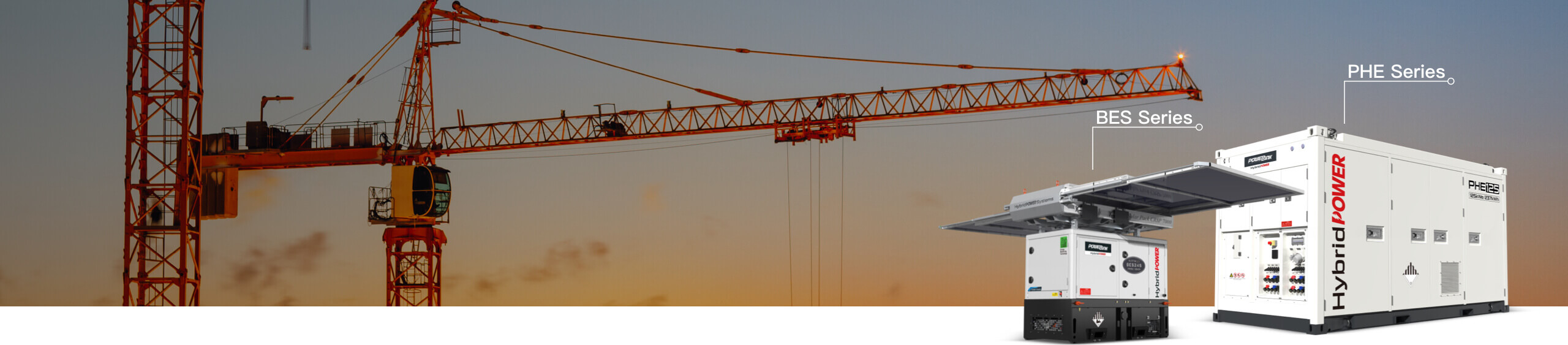
Infrastructure construction hybrid system for heavy site power.

Hybrid System-Infrastructure & Construction

Request A Quote

High-Reliability Infrastructure Construction Hybrid System

Global construction emission standards are tightening, with strict 2026 regulations now actively enforced in urban centers. For EPC contractors, achieving environmental compliance without inflating temporary power OPEX is critical. A Powerlink infrastructure construction hybrid system provides a direct engineering response to these off-grid energy challenges.

Tower cranes and heavy material hoists generate massive transient surge currents during startup. Traditionally, site managers must heavily over-size diesel generators simply to prevent voltage drops and equipment stalling. This forced redundancy results in inefficient low-load operation, excessive fuel consumption, and high equipment rental costs. By integrating high-capacity battery storage, the Powerlink microgrid instantly absorbs these peak electrical loads. This active load balancing allows contractors to significantly downsize their primary diesel generators and cut daily fuel logistics.

Beyond heavy lifting support, the containerized unit functions as a localized power hub for site electrification. It delivers stable electricity for industrial welders, dewatering pumps, and overnight security lighting. Crucially, it serves as a high-capacity off-grid fast-charging station for electric excavators and heavy dump trucks, eliminating early-phase charging bottlenecks before municipal grid connections are established.

Deploying this highly mobile infrastructure construction hybrid system secures transient-proof site power and ensures strict compliance with 2026 zero-emission mandates. It protects heavy machinery from voltage crashes, accelerates initial site setup, and maximizes profitability for major infrastructure projects.
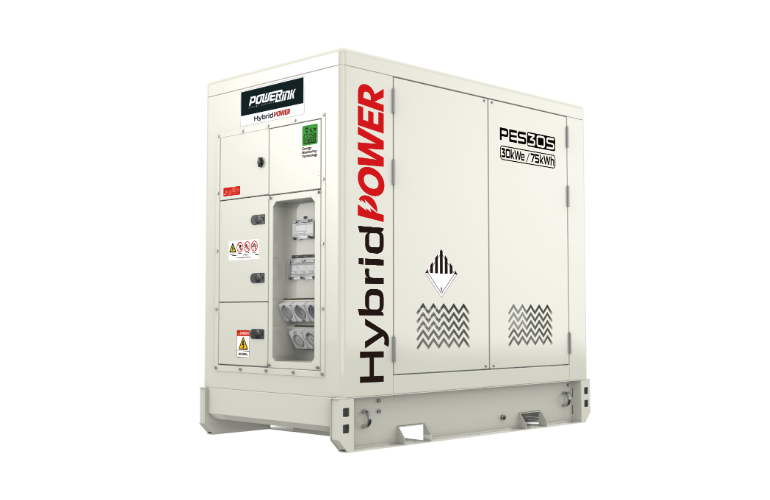
PES Series

The Powerlink PES Series delivers 30-500kWe output and 62-1040kWh battery storage. It operates as a rapidly deployable infrastructure construction hybrid system. By integrating external generator inputs, this mobile microgrid actively manages localized site loads. It absorbs transient voltage spikes from industrial welders and heavy dewatering pumps, cutting continuous diesel generator runtime by up to 90 percent.

Operating from -20°C to 55°C, the containerized lithium iron phosphate unit withstands extreme weather and high-dust concrete pouring environments. Equipped with integrated forklift channels for fast relocation, it functions as a silent, off-grid fast-charging hub for electric excavators. This system minimizes daily fuel logistics and guarantees compliance with strict urban emission standards.

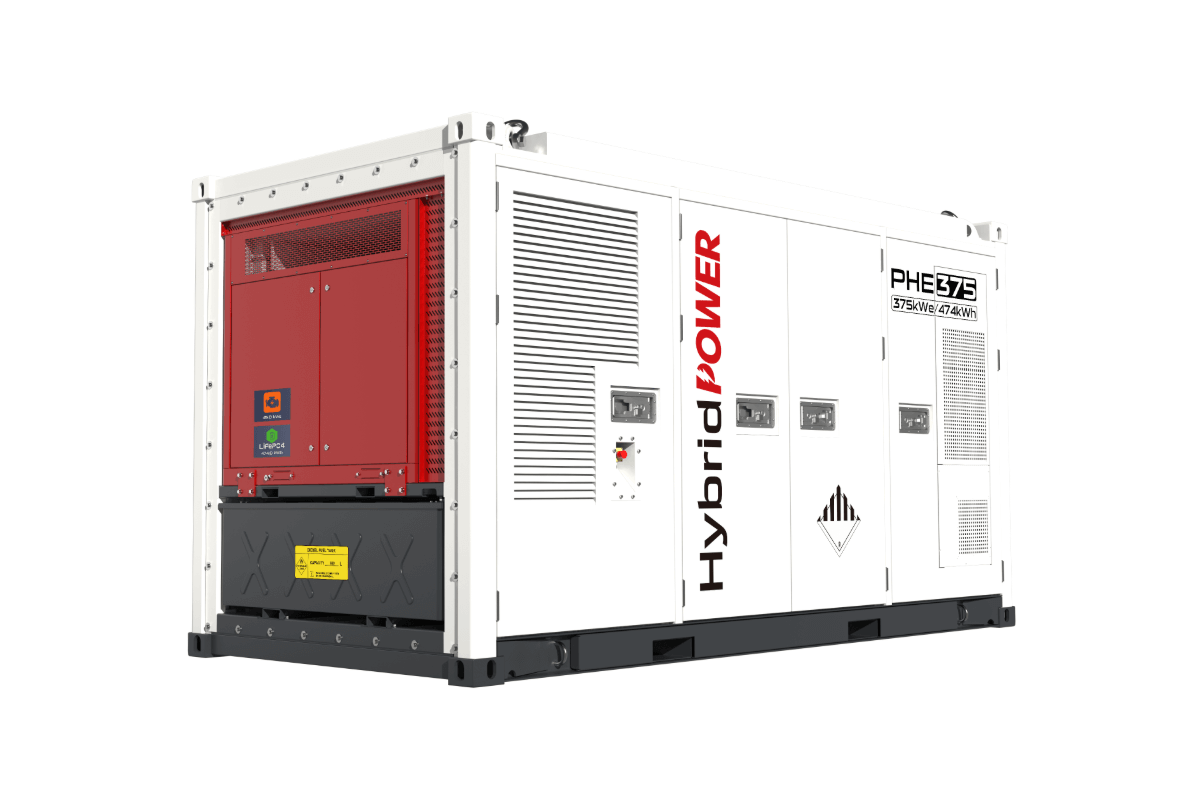
PHE Series

The Powerlink PHE Series delivers 125-500kWe output and 237-1040kWh liquid-cooled battery storage. It operates as an all-in-one infrastructure construction hybrid system. Integrating a built-in diesel generator, this containerized unit establishes immediate primary power for early-phase, off-grid sites.

Operating at a precise 1C discharge rate, the battery instantly absorbs massive transient loads from tower cranes and electric excavators. This active load balancing prevents generator stalling and severe voltage drops. Protected by active firefighting systems, it withstands dusty, muddy job sites. Engineered for rapid crane-lifting and relocation, it guarantees continuous heavy machinery operation before municipal grid connections.

BES Series

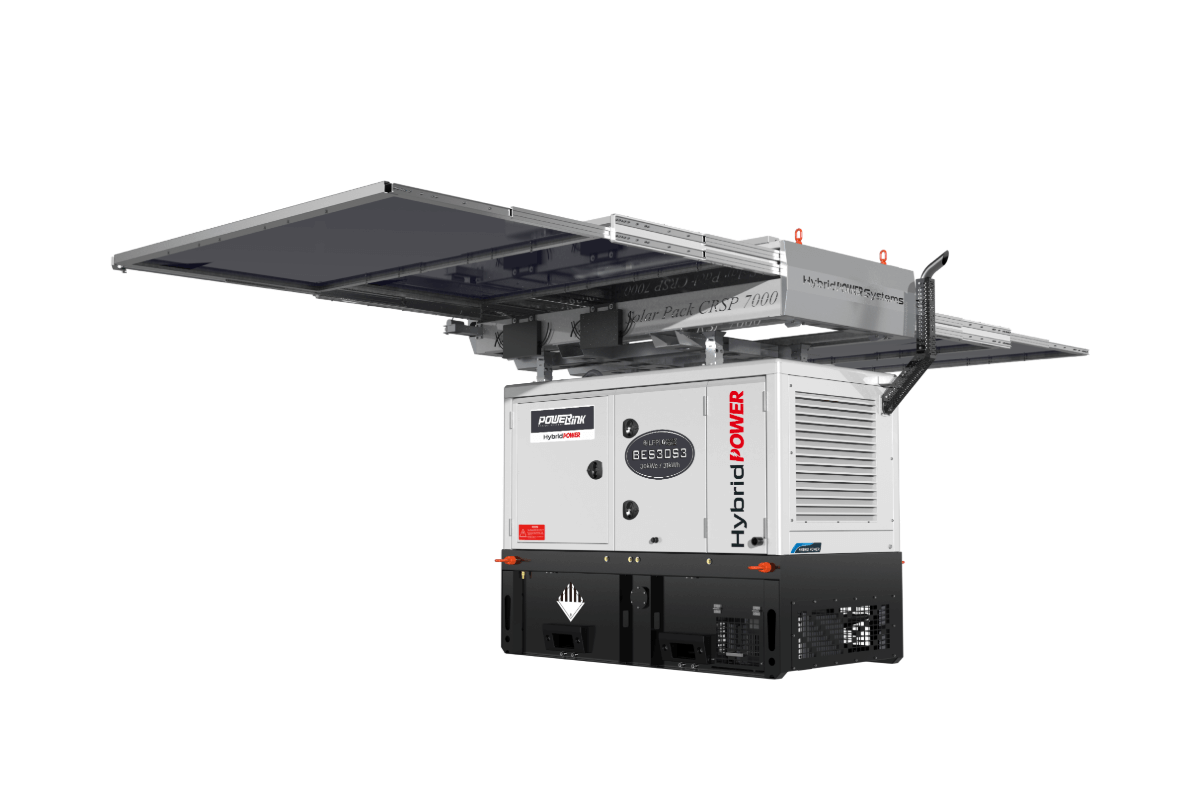
The Powerlink BES Series delivers 20-80kWe output and 30.7-101.4kWh liquid-cooled battery storage. It operates as a highly mobile infrastructure construction hybrid system. Integrating a built-in Stage V diesel generator and solar inputs, this compact all-in-one unit establishes independent microgrids for isolated site perimeters, security gates, and early surveying camps.

By maximizing stored battery energy, it eliminates the inefficient use of oversized generators for small, continuous loads like overnight lighting and CCTV networks. Operating from -20°C to 50°C with an IP54-rated enclosure, it withstands harsh excavation environments. Equipped with integrated forklift channels for rapid relocation, it guarantees secure, low-OPEX temporary power for decentralized construction zones.

Our Support Services

Pre-Sale Support

Pre-Sale Support

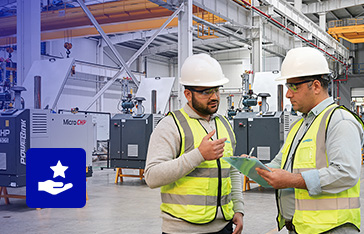
Get expert advice, product insights & tailored solutions for your energy needs.

HMI Interfaces

HMI Interfaces

Customize interfaces matching customer brand visuals & operating habits.

Spare Parts

Spare Parts

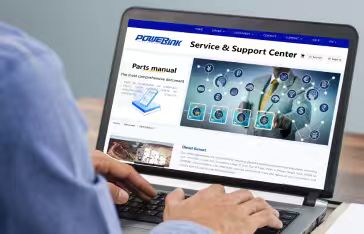
Access parts, manuals & service tools via Powerlink Online Portal-DPMS.

After-Sales Support

After-Sales Support

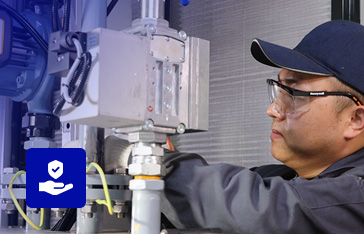
For partners, we ensure that core parts can be delivered within 24 hours.

Frequently Asked Questions

How does an infrastructure construction hybrid system prevent crane stalling?

By absorbing massive transient loads. When tower cranes and material hoists demand instant startup surge currents, the battery discharges at a precise 1C rate. This prevents the severe voltage drops that typically trip or stall standard diesel generators.

How do PES and BES units manage decentralized site power?

By eliminating extensive temporary cabling across sprawling infrastructure projects. The portable PES acts as a mobile microgrid, absorbing transient spikes from active welding zones and dewatering pumps. Simultaneously, the compact BES secures isolated perimeters, providing continuous off-grid electricity for early surveying camps and CCTV networks. Together, they distribute localized power without overloading the primary heavy-duty generator.

Can the mobile microgrid operate silently during night construction?

Yes. The intelligent EMS allows site managers to shut down diesel generators entirely during nighttime operations. The site runs exclusively on stored battery power, providing zero-noise electricity for lighting and dewatering pumps, eliminating urban noise complaints and municipal fines.

Does the system support off-grid electric heavy machinery charging?

Absolutely. An infrastructure construction hybrid system functions as a localized, high-capacity fast-charging hub. It delivers stable power for electric excavators, wheel loaders, and dump trucks long before municipal grid connections are established on early-phase dirt sites.

How does battery storage reduce diesel generator rental costs?

Through active peak shaving. Because the battery instantly handles high transient spikes from heavy machinery, EPC contractors no longer need to rent oversized generators just to cover startup loads. This downsizes the primary generator requirements, cutting both rental fees and daily fuel logistics.

Can the battery storage operate during sub-zero winter construction?

Yes. The liquid-cooled thermal management system maintains optimal internal cell temperatures automatically. This prevents battery degradation and capacity loss during harsh winter excavation and cold-weather concrete pouring phases, guaranteeing stable transient discharge rates even at continuous -20°C temperatures.

What happens when the municipal grid is finally connected to the site?

The infrastructure construction hybrid system seamlessly transitions from an off-grid primary power source to a grid-tied peak-shaving unit. It continues to protect sensitive site equipment from municipal voltage fluctuations and actively reduces peak-hour grid electricity tariffs for the EPC contractor.

How do site managers monitor fuel consumption across massive sites?

Through the integrated cloud-based Energy Management System (EMS). MEP engineers can track real-time diesel savings, battery state of charge (SOC), and active transient loads via a central web dashboard. This eliminates manual generator inspections across multi-kilometer infrastructure projects.

Are lithium batteries safe for high-risk, active construction zones?

Absolutely. The containerized units utilize highly stable lithium iron phosphate (LiFePO4) chemistry. They are heavily reinforced with multi-layer active firefighting suppression systems and industrial-grade thermal runaway protections, ensuring absolute physical safety even when deployed near heavy welding zones and diesel storage tanks.

How does a hybrid microgrid impact overall project profitability?

By aggressively cutting the three highest temporary power OPEX factors: total diesel fuel consumption, oversized generator rental fees, and dedicated maintenance labor. This rapid operational cost reduction directly increases the profit margins of multi-year infrastructure and commercial real estate projects.

Does the equipment withstand muddy and high-dust excavation environments?

Yes. The containerized units feature IP54-rated heavy-duty enclosures and integrated forklift channels. This physical design protects internal electrical routing components from heavy rain, concrete dust, and mud, allowing rapid relocation as the active construction zone advances.

All products provided by our company are energy products
Welcome to contact us