


What is a Microgrid?
As the world moves towards more sustainable energy solutions, new technologies are emerging to provide cleaner, more reliable, and cost effective power sources. Among these, microgrids are gaining attention for their ability to deliver localized, independent, and efficient energy systems. But what exactly is a microgrid, and how does it work?
What is a Microgrid?
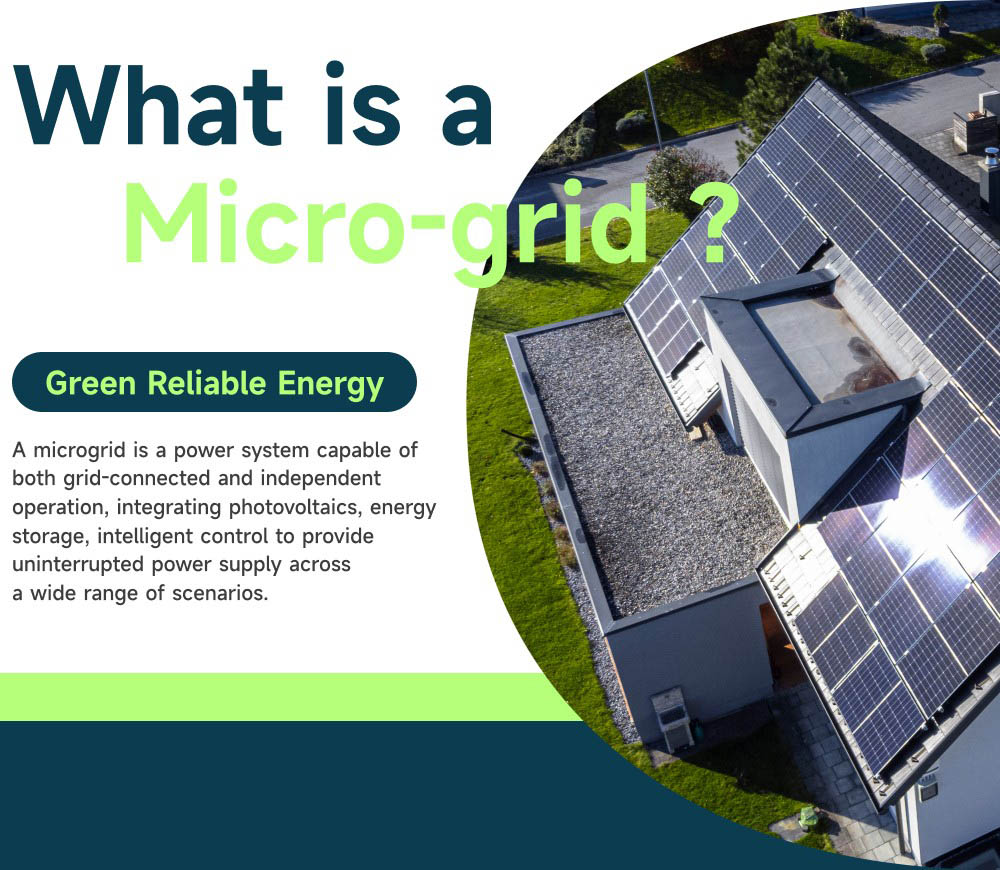
A microgrid is a localized power network that operates within a defined electrical boundary, where distributed energy resources and loads are integrated into a manageable and independent energy system. It can function as part of the traditional grid (macrogrid) or disconnect from it when needed, operating in an island mode independently.
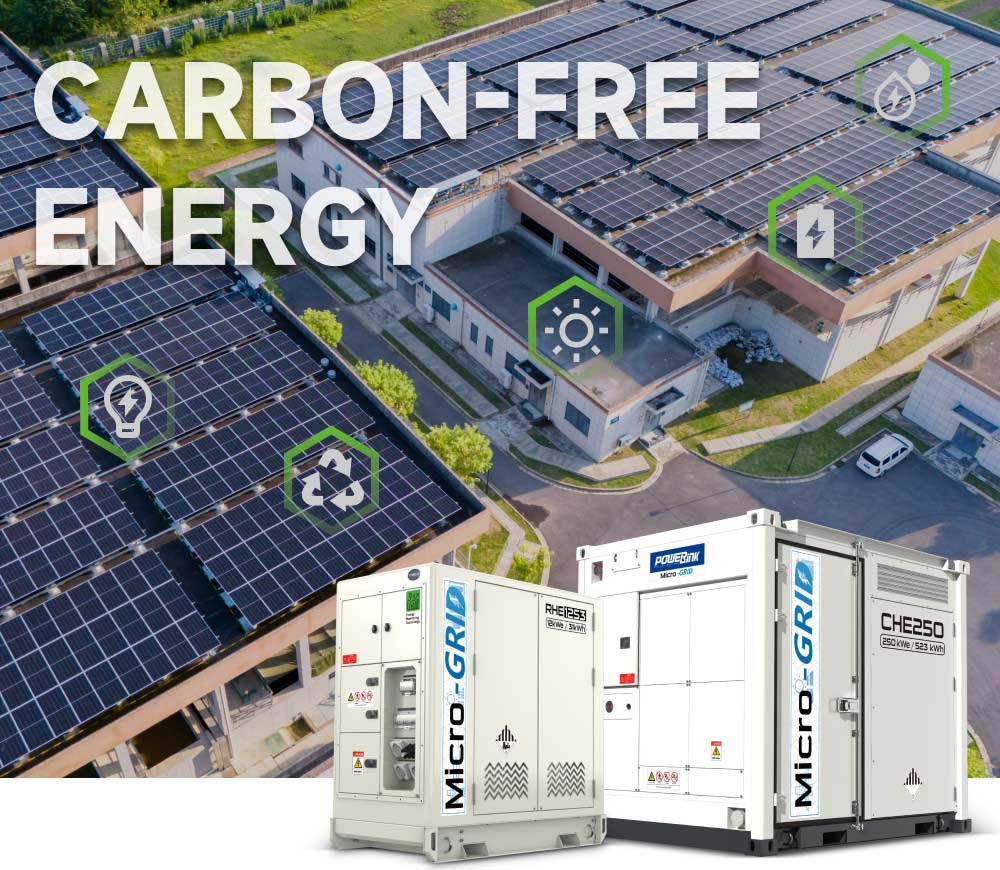
As the energy landscape evolves, microgrids help improve energy reliability and promote the widespread use of green, carbon free energy. For instance, Powerlink Energy’s Micro Grid System (MGS) captures every ray of sunlight with high efficiency solar panels and stores it, ensuring 24/7 free electricity.
With the transition towards cleaner and more sustainable energy sources, microgrids are increasingly enabling energy independence for businesses and households, reducing reliance on traditional power grids.
Operating Modes of Microgrids
Microgrids operate in two main modes:
Grid connected mode: Operating in sync with the larger grid, microgrids exchange energy through a “point of common coupling (PCC)” and provide auxiliary services. This mode allows microgrids to remain integrated with the larger grid while also offering flexibility during high demand periods.
Island mode: When the main grid experiences a fault or power outage, the microgrid disconnects and relies on its own resources. With Powerlink Energy’s system, the EMS (Energy Management System) ensures uninterrupted power supply to loads even during grid failures. This feature ensures that services continue running smoothly, such as hospitals, data centers, or other infrastructure.
Core Components of Microgrids
Now that we have a clear understanding of what a microgrid is and how it functions, let’s dive into the key components that make up a microgrid system and how they work together to provide reliable, sustainable energy.
Distributed Energy and Energy Storage Systems
The core of a microgrid includes solar photovoltaic (PV) systems, energy storage units, and intelligent management systems. The integration of these technologies lowers energy costs and provides green, carbon free power.
Microgrids with solar power and energy storage solutions ensure a consistent, sustainable energy supply, making them a promising alternative to conventional energy systems. Powerlink Energy’s MGS leverages high efficiency (22%-23%) solar power to capture solar energy and store it.
The EMS system, by controlling when to charge during low electricity price periods and discharge during high price periods, maximizes the arbitrage opportunity from peak valley price differences, reducing energy expenses while generating economic returns.
This smart energy management not only ensures an affordable energy supply but also provides additional savings by making use of energy price fluctuations.
Control and Management Systems
Microgrids use control systems to manage energy flow and coordination. By integrating various types of distributed energy (e.g., solar, wind) and energy storage, microgrids can adjust output according to different needs, ensuring power stability and reliability.
Powerlink Energy’s EMS system uses intelligent energy management to schedule energy flow and maximize peak valley price arbitrage, ensuring that users can reduce spending and increase economic returns.
The EMS system also allows real time monitoring of energy generation and consumption, providing businesses with detailed insights into energy usage patterns. By dynamically adjusting the energy flow based on these insights, the EMS system optimizes the overall performance of the microgrid and ensures that energy is used most effectively.
Advantages of Microgrids
Microgrids offer several advantages, making them a strong solution in modern energy systems:
Enhancing Energy Reliability
Microgrids can continue to supply power when the grid fails, especially for specific loads. Powerlink Energy’s microgrid system provides uninterrupted power supply to these loads, ensuring continuous operations for businesses and households.
The system also incorporates UPS (uninterruptible power supply) backup and multiple circuit designs to guarantee stable power supply. This redundancy ensures that even in the case of system faults, there is no interruption to the energy supply.
In remote or hard to reach areas where grid access is unreliable, microgrids offer an independent and reliable source of power, ensuring that the local community or business can continue to operate without disruptions caused by grid instability.
Supporting Renewable Energy Integration
With solar photovoltaic systems, microgrids provide green, carbon free power, contributing to the integration of renewable energy sources. Powerlink Energy’s microgrid solution uses solar PV and energy storage, ensuring 24/7 power supply entirely from green energy.
This eliminates the reliance on fossil fuels and reduces the carbon footprint, aligning with global efforts to transition to sustainable energy solutions. Furthermore, microgrids provide a seamless integration platform for various types of renewable energy sources, such as wind and hydro, ensuring that businesses and communities can take full advantage of local renewable resources.
Cost Savings and Economic Benefits
Powerlink Energy’s microgrid system doesn’t only offer reliable power but also maximizes savings with arbitrage from peak valley price differences. Charging occurs during low electricity prices and discharging during peak prices, providing additional economic value.
Furthermore, the high efficiency (22%-23%) solar power technology and storage systems help reduce long term energy expenses, achieving ENERGY BILL FREE for users. By using the natural cycles of electricity pricing, businesses can drastically lower their energy costs over time.
This ability to optimize energy costs provides a significant financial benefit, enabling businesses to reinvest those savings into other growth opportunities. The savings from energy arbitrage contribute to an impressive return on investment, making microgrids a financially viable solution for both small and large enterprises.
Challenges and Future Trends of Microgrids
Although microgrids offer significant advantages, their implementation faces challenges:
Complex Technology and Control
Microgrids require managing complex technologies, especially ensuring efficient control of energy flow and frequency. Powerlink Energy’s EMS system simplifies this task by offering an advanced, self developed energy control system, making management more straightforward.
This control system enables seamless integration of distributed energy sources, storage, and load management, ensuring that the microgrid performs at its highest capacity.
Cost and Investment Return
Setting up a microgrid requires significant upfront investments in solar panels, storage devices, and control systems. However, by taking advantage of arbitrage from peak valley price differences and offering stable energy supply, the investment return period can be shortened considerably.
The ability to achieve ENERGY BILL FREE and increase economic returns through smart energy management makes the initial investment worthwhile for many users. As technology improves and the cost of renewable energy systems continues to decline, microgrids will become more affordable, making them a practical solution for a larger number of businesses and households.
Applications of Microgrids
Microgrids are not limited to any single field and have a wide range of applications:
- Remote and isolated communities
- Hospitals and public safety facilities
- Business and industrial parks
- Data centers and other infrastructure
Powerlink Energy’s microgrid solution is particularly beneficial in regions where the electric grid is unstable, ensuring uninterrupted power supply to fundamental loads while enabling zero electricity bills. By ensuring reliable power to industries, microgrids support the continuity of business operations and provide a service during grid disruptions.
Unlocking the Benefits of Microgrids with Powerlink Energy
Microgrids are an integral part of modern energy systems, providing green, carbon free power while reducing energy costs and improving reliability. Powerlink Energy’s microgrid systems, with high efficiency solar panels and storage technology, not only offer stable power but also create economic returns through arbitrage from peak valley price differences. Explore all our options today and take control of your energy future with Powerlink Energy.