


Industrial Diesel Generator Types & Application
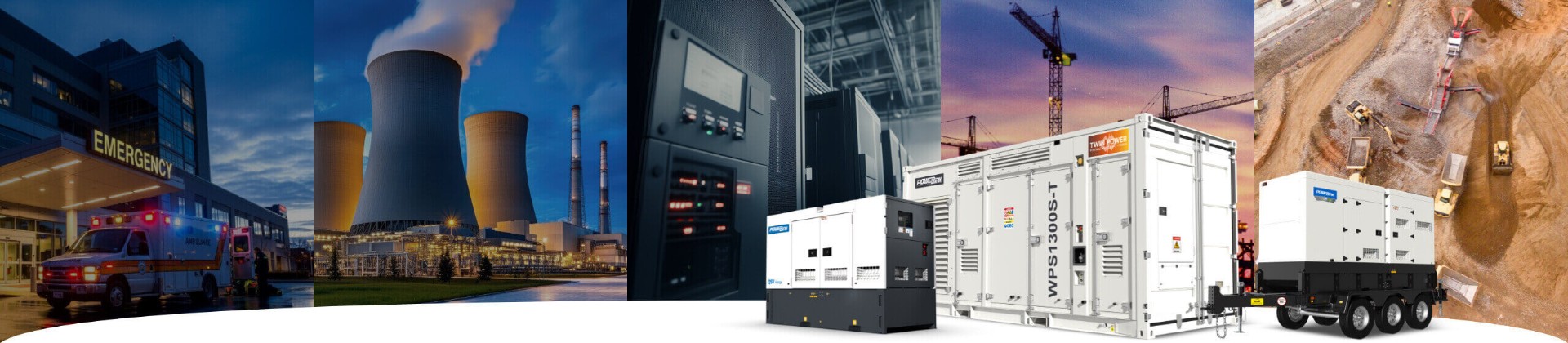
In the industrial sector, diesel generators have become a widely used source of standby power and prime power because they offer strong stability and broad adaptability. Different types of industrial diesel generators have their own features in terms of structure, performance, and application scenarios, and they are widely used in manufacturing, construction sites, data centers, and emergency power supply systems. This article will introduce the common types of industrial diesel generators and their typical applications, so that readers can better understand how to choose a suitable power solution.
What Is a Diesel Generator?
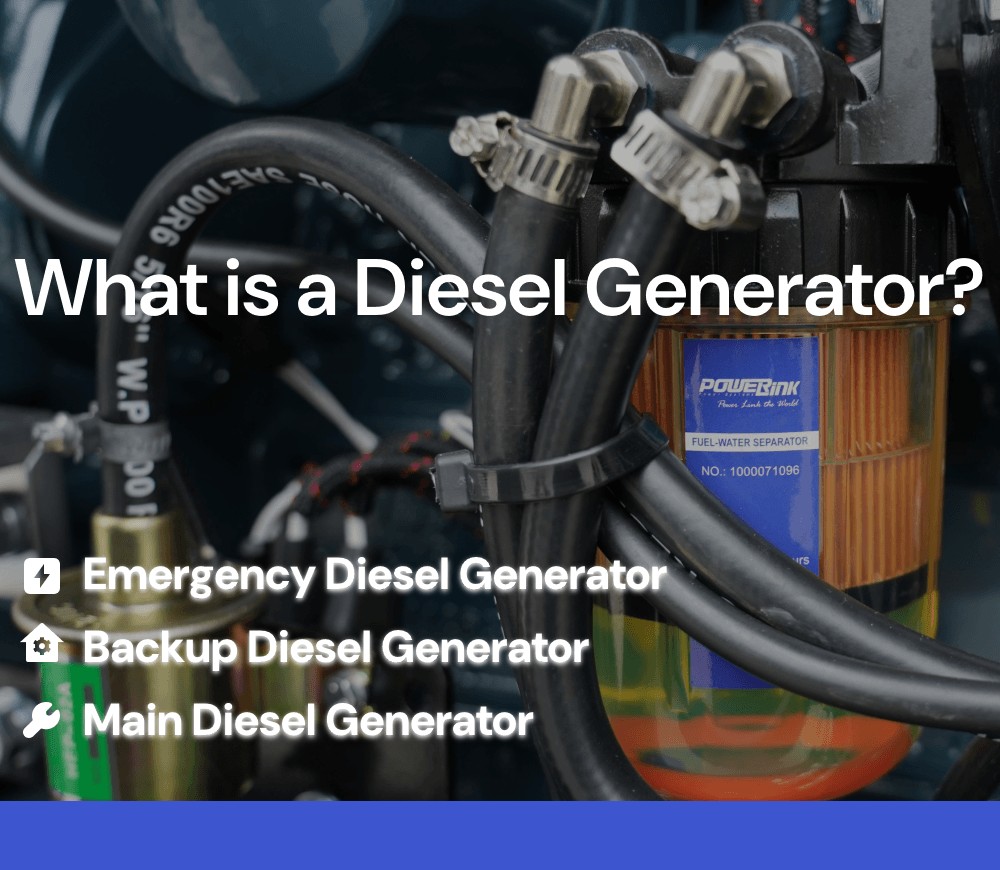
A diesel generator is a device that uses diesel fuel and converts mechanical energy into electrical energy through a diesel engine that drives an alternator. To put it simply, it is an independent power source that can generate electricity when there is no grid supply, and it is commonly used for backup power during outages, power supply in remote areas, or continuous power support in industrial production.
What Types of Diesel Generators Are There?
Diesel generators can be divided into several types according to their purpose of use. Since different purposes determine differences in design, performance requirements, and operating methods, understanding these categories can help users choose the most suitable equipment for actual applications.
Standby Diesel Generators
Standby generator sets are mainly used to provide temporary power support when the utility power supply is interrupted, while they remain on standby under normal conditions. Once a power outage occurs, they can start automatically or manually, so they are widely used in hospitals, data centers, and office buildings where power continuity is highly valued.
Prime Diesel Generators
Prime generator sets operate as the main power source for long periods, so they are suitable for areas where there is no grid coverage or where the power supply is unstable, such as mines, remote construction sites, and outdoor work environments. Because they are used continuously, these units require higher durability and better fuel economy.
Emergency Diesel Generators
Emergency generator sets are designed for fast starting and stable short term power supply, so they are usually used to protect critical equipment such as fire protection systems, elevators, and safety lighting. Since rapid response and reliability are the main concerns, these units are built to perform quickly when unexpected situations arise.
Where Are Industrial Diesel Generators Mainly Used?
Industrial diesel generators are widely used in many major fields because they offer high reliability and strong adaptability. Whether they serve as a main power source or a backup power source, they support production continuity and public safety in many working environments. The following are the main application areas.
Industrial Manufacturing
In various factories and production workshops, diesel generators are often used as backup or primary power sources. When utility power fails, generator sets can start quickly and keep production lines running, which helps prevent equipment shutdowns, raw material waste, and order delays that may lead to financial losses. In precision manufacturing industries such as electronics and chemicals, where power stability is highly valued, diesel generators are often regarded as an indispensable power support solution.
Construction and Engineering Projects
At construction sites, bridge projects, and large infrastructure developments, diesel generators often become the main source of electricity because these locations are temporary or far from the fixed power grid. They can provide stable power for tower cranes, welding machines, concrete mixers, and site lighting, while their mobility allows them to be moved flexibly as the project progresses.
Data Centers and Telecommunications
Data centers and communication base stations require continuous power supply because any interruption may cause data loss or system failure. Diesel generators are often used together with UPS systems, so that they can take over the power supply quickly after a grid failure and keep servers, network equipment, and communication systems operating steadily, which ensures that data transmission and business operations continue without interruption.
Medical and Public Facilities
In hospitals, airports, shopping centers, and subway systems, diesel generators are mainly used for emergency power supply. When unexpected outages happen, they can provide power for operating room equipment, life support systems, elevators, fire protection systems, and emergency lighting, which directly affects personal safety and the normal operation of public services.
Energy and Mining
Oil extraction, natural gas development, and mining operations are usually located in remote areas where grid coverage is limited or completely unavailable. In these environments, diesel generators often serve as the main power source and provide long term power for drilling equipment, conveying systems, and control devices. Since they are durable and can adapt to harsh conditions, they can operate steadily in high temperatures, cold climates, and complex terrain.
Agriculture and Power Supply in Remote Areas
In rural areas, pastoral regions, islands, and mountainous areas where the power grid is difficult to reach, diesel generators provide valuable electrical support for agricultural production and daily life. For example, they can be used for irrigation systems, agricultural processing equipment, and basic household electricity use, which helps improve production efficiency and living conditions in those areas.
How Do You Choose a Diesel Generator According to Actual Needs?
Choosing a suitable diesel generator requires a full consideration of actual power demand, environmental conditions, and budget. Since proper selection can improve operating efficiency and reduce long term operating and maintenance costs, the following factors should be considered carefully.
Define Power Requirements
It is first necessary to calculate the total electrical load, including the power of all equipment and the starting power of devices such as motors. It is generally recommended that extra capacity of about 10 percent to 30 percent be reserved, so that future expansion or sudden load changes can be handled more easily.
Determine the Type of Use
The type of generator set should be selected according to its purpose. If it is only used during power outages, a standby unit may be suitable. If long term power supply is required, a prime unit should be considered. If fast startup is required, an emergency unit may be a better choice.
Choose the Right Power Rating
The generator power rating should neither be too small, because overload may occur, nor too large, because this may increase cost and fuel consumption. The rated power and standby power should match the actual load, so that the generator can operate within a reasonable load range, which is usually about 70 percent to 80 percent.
Consider the Operating Environment
Different environments place different demands on generator sets. In high temperature or high altitude areas, power derating should be considered. In cities or residential areas, silent type units may be more suitable. At outdoor locations or construction sites, weatherproof, dustproof, and mobile units are often better options.
Fuel Efficiency and Operating Cost
Since fuel consumption varies by brand and model, units with better fuel efficiency and lower maintenance costs should be given priority, so that long term operating expenses can be reduced.
How Should Industrial Diesel Generators Be Maintained?
Good maintenance of industrial diesel generators helps ensure long term stable operation and extend service life. Since standard daily inspection and regular servicing can reduce failures and improve reliability, the following maintenance points should be followed.
Regularly Check Engine Oil and Replace Lubricating Oil
Engine oil lubricates the engine and helps with heat dissipation, so the oil level and oil quality should be checked regularly. This helps avoid increased wear that may result from insufficient or degraded oil. In most cases, the oil and oil filter should be replaced according to the operating hours.
Keep the Fuel System Clean
Clean and qualified diesel fuel should be used, while the fuel filter should be replaced regularly so that impurities do not enter the engine. Water that collects in the fuel tank and filter should also be drained in time, because it may affect combustion efficiency.
Inspect the Cooling System
The coolant level should be sufficient, while the radiator, water tank, and pipes should be checked regularly for leaks or blockages. Since a clean cooling system helps prevent overheating, it should always be kept in good condition.
Battery Maintenance
The voltage of the starting battery and the electrolyte level should be checked regularly when applicable, while the battery terminals should be kept clean and secure so that the generator can start smoothly.
Air Filter Maintenance
The air filter should be cleaned or replaced regularly according to the operating environment, because this prevents dust from entering the engine, which may reduce combustion efficiency and increase wear.
Conclusion
Industrial diesel generators come in many types and are used in a wide range of applications, while they continue to support many industrial scenarios. When equipment is selected properly and maintained according to standard practices, efficiency and service life can be improved significantly, which provides reliable power support for stable business operations.
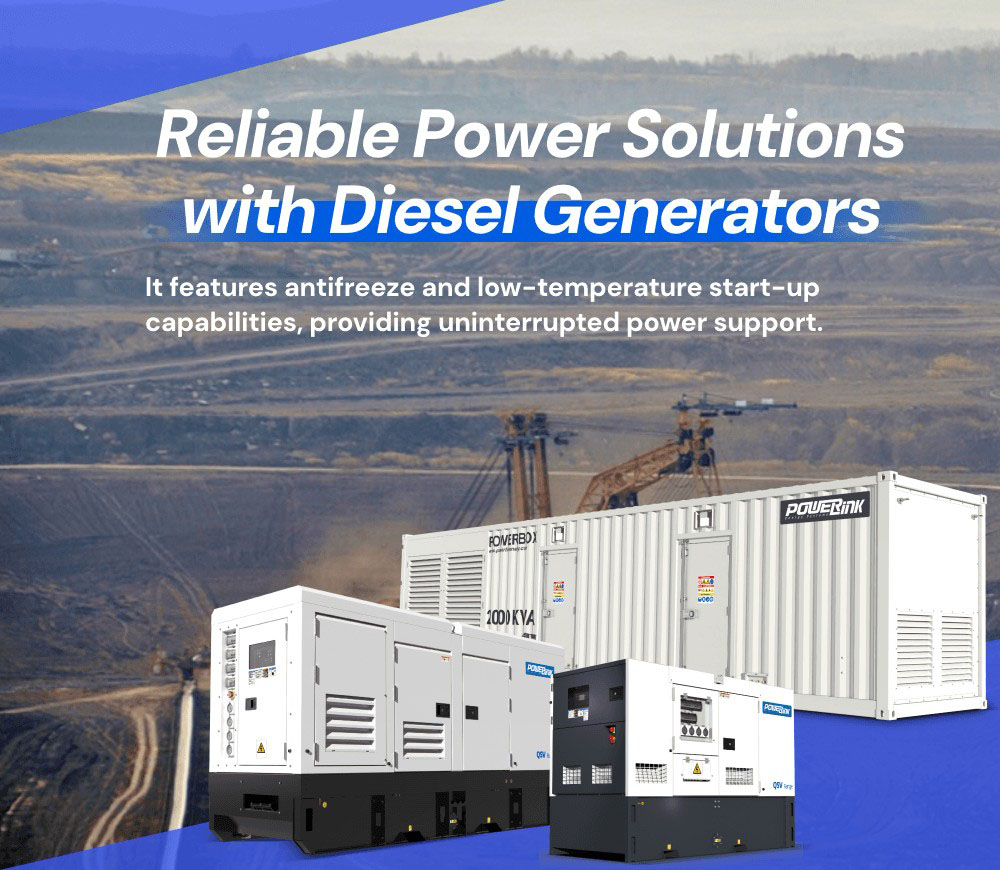
Powerlinkenergy offers many types of industrial diesel generators, with a wide range of models available, so there is likely a unit that suits your needs. You are welcome to visit the homepage for consultation.
FAQs
Q: How long can a diesel generator run continuously?
Industrial diesel generators can usually run continuously for long periods, although it is recommended that they be inspected and serviced as needed every 8 to 12 hours of operation. The actual continuous running time depends on the quality of the generator set, the load condition, and the cooling performance.
Q: Is diesel generator fuel consumption high?
Fuel consumption depends on the power rating of the generator and the load rate. In general, operation at 70 percent to 80 percent load is more economical, because it can reduce fuel consumption and also help extend the service life of the equipment.
Q: How often should a generator be maintained?
Basic inspections should be carried out daily, while routine maintenance such as changing the oil and filters is generally recommended every 250 to 500 operating hours. The specific interval should follow the manufacturer’s instructions.
Q: Will a generator be damaged if it is not used for a long time?
Yes. Long periods of inactivity may lead to battery discharge, fuel system blockage, or aging of components. It is recommended that the generator be started and operated regularly, such as once a month, so that it remains in good condition.
Q: How can the noise of a diesel generator be reduced?
Noise can be reduced by choosing a silent type generator set, or by installing a soundproof enclosure, a silencer, and arranging the generator room properly.
Q: Can diesel generators be used in parallel?
Yes. Through a parallel operation system, multiple generators can work together, which increases power supply capacity and flexibility. This is commonly used in large projects or high load applications.
Q: What is the most critical factor when choosing a diesel generator?
The most important consideration is matching the power capacity to the usage scenario, while fuel efficiency, brand quality, and after sales service should also be considered.