



Do Solar Panels Really Need Cleaning?
Every solar panel owner asks this question at some point. The panels sit in the sun, rain falls on them, and they keep producing power. So do solar panels need cleaning? The short answer is yes, especially if your panels are on a construction site, a farm, a roof near a road, or anywhere dust collects. The longer answer is about what happens when you do not clean them, and the fastest way to fix it.
Does Dust Really Reduce Solar Panel Efficiency?
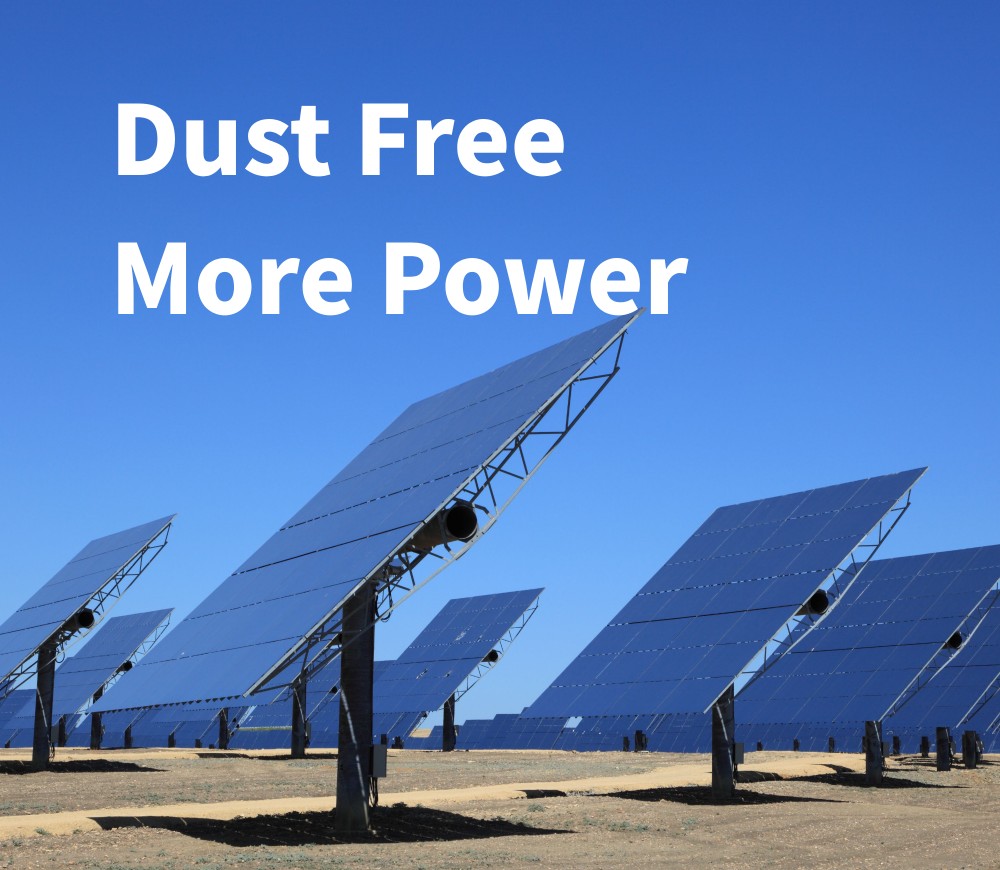
Yes. Dust acts like a thin shade over the panel surface. Each particle blocks a small amount of sunlight, and when the whole surface is covered, the panel simply cannot collect as much energy. The effect depends on how dusty the site is. A light layer after a windy week is one thing. A thick layer of construction dust, cement dust, pollen or sand after a dry month is another. On dirty panels, the loss is real and it shows up directly in your power numbers.
This matters most for ground-mounted and portable systems, which sit close to the ground where dust is kicked up by trucks, machinery and wind. The same dust that coats a windshield coats a solar panel, except a solar panel has no wipers.
How Often Should You Clean Solar Panels?
There is no single answer because every site is different. The general guidance is simple: check the panels visually once a month, and clean them when you can see a visible layer of dust, or when power output has dropped noticeably compared with a clean, sunny day. In dry and dusty areas, that often means cleaning every one to two weeks. In cleaner areas, once a month is usually enough. After a dust storm or a long dry spell, do an extra pass.
Can You Pressure Wash Solar Panels?
This is one of the most asked questions, and the answer deserves care. A high-pressure washer can damage solar panels. The seals around the frame are not designed for jet spray, water can be forced into the connectors, and on some panels the pressure can crack or stress the glass. Even if nothing breaks immediately, you are adding wear every time you do it.
If water is your only option, use low pressure, a soft brush or cloth, and plain water without harsh chemicals. Never use a pressure washer at close range. And if you clean while the panels are hot, cold water can shock the glass. Clean early in the morning or late in the afternoon.
Can You Clean Solar Panels Without Water?
Yes, and on many sites it is the better option. Water is not always available on remote job sites, and trucking it in just for cleaning is expensive. Compressed air solves that problem. An air compressor with a blowgun clears dust off a panel surface quickly, with no water, no streaks, no chemical residue and no risk of scratching the glass.
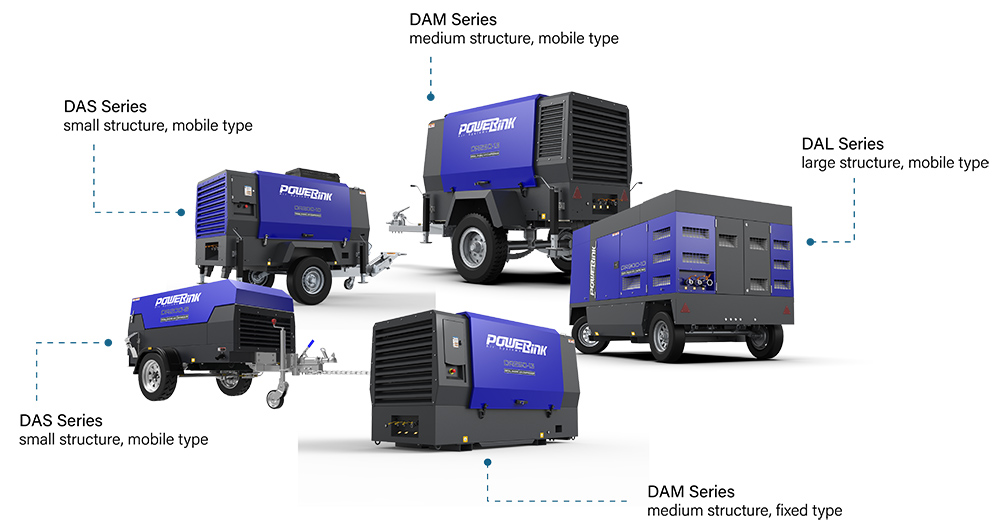
An air compressor is also a tool that most construction and mining sites already have. The same machine that powers pneumatic tools, inflates tires and blows out filters can clean the solar array in a few minutes. It is a two-for-one piece of equipment.
How to Clean Dust Off Solar Panels With an Air Compressor
The process is simple, and a few small habits make it safe for both you and the panels.
- Use a low pressure setting. You do not need full force to move dust. A gentle stream lifts the dust without hammering the glass or blowing particles into the panel edges.
- Fit a wide blow nozzle. A flat nozzle spreads the air over a larger area, which is faster and gentler than a pointed jet.
- Work from the top down. Blow the dust off the panel and let it fall away, rather than pushing it into the gap between panels.
- Keep a sensible distance. Hold the nozzle a comfortable distance from the surface, far enough that the air does not feel harsh on your hand.
- Clean when the surface is dry. Dust blows off easily when it is dry. If the panels are wet, the dust turns to mud and the air just moves it around.
- Handle stuck-on spots separately. For dried bird droppings or mud spots, a soft cloth and clean water work better than air alone. Blow the loose dust first, then deal with the spots.
Why Are My Solar Panels Not Producing Enough Power?
Dust is one of the first things to check, but it is not the only one. A quick checklist covers the common causes:
- Is the surface dirty? This is the easiest fix and the most common cause of gradual output loss.
- Is something shading the panels? New equipment, stacked material, a parked truck or overgrown vegetation can block sunlight without you noticing.
- Are the connections sound? Check cables and connectors after storms or site work.
- Is one panel underperforming? A single faulty panel drags down the whole string. Compare panel outputs if your system shows per-panel data.
- Is the weather the real culprit? Cloud cover, haze and short winter days all reduce output. Compare against a known-clean, sunny baseline before assuming a fault.
If the panels are clean, unshaded and connected properly, and output is still low, contact your supplier for a technical check.
How to Keep Dust Off Solar Panels
You cannot stop dust from falling, but you can make it easier to manage.
- Position matters. Where possible, place panels away from gravel roads, stockpiles and loading areas where dust is constantly stirred up.
- Tilt helps. A steeper tilt angle lets rain wash more of the surface and keeps dust from settling as easily.
- Plan cleaning into the site routine. Add panel cleaning to the weekly maintenance checklist so it happens before output drops, not after.
- Keep the area around the panels tidy. Less loose dirt around the array means less dust landing on the glass.
The Practical Answer
Solar panels do not need daily attention, but they do need regular cleaning on dusty sites. The cost of ignoring them is quiet and continuous: less power every day. The cost of cleaning them is a few minutes with the right tool.
If your site runs on a PowerLink solar pack, an air compressor is the natural cleaning partner. PowerLink offers both, so you can power your site with clean solar energy and keep the panels clean with the same trusted equipment brand. Talk to our team about the right setup for your site, and ask about the cleaning routine that fits your conditions.