


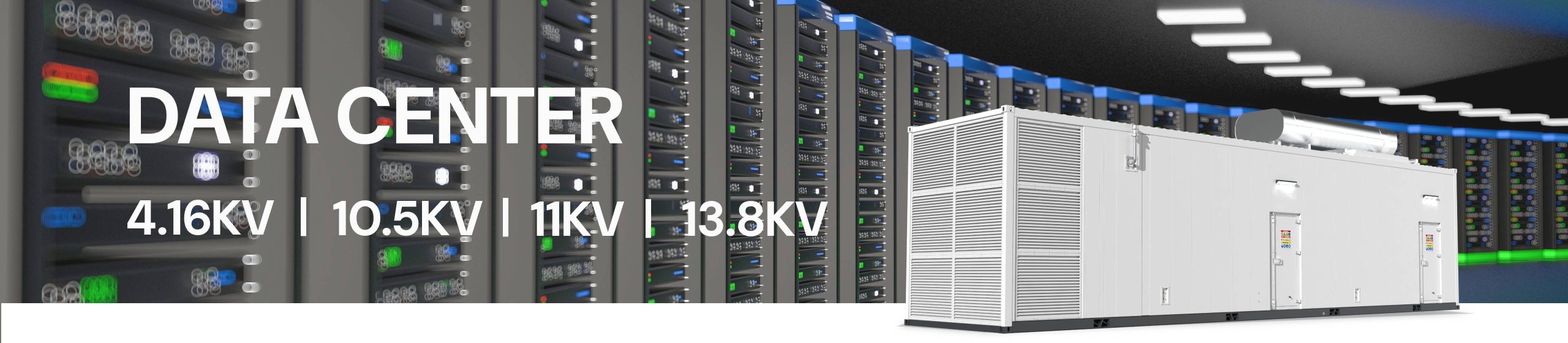
Data Center Generators | 4.16KV~13.8KV
PowerLink’s 4.16KV~13.8KV gensets are purpose‑built for large‑scale mission‑critical data centres, delivering 4.16KV/10.5kV/11kV/13.8KV output across 2500kW‑3600kW power range.
Operating at elevated voltage drastically cuts transmission losses and long‑run cable investment across large‑site deployments. Equipped with advanced PLC‑500 controllers, the containerised systems enable seamless multi‑generator parallel‑synchronisation for N+1 or 2N redundant power schemes. Built‑to‑match local switchgear requirements, each unit undergoes strict load validation to deliver uninterrupted backup for mission‑critical AI infrastructure.
- 50HZ
- 60HZ
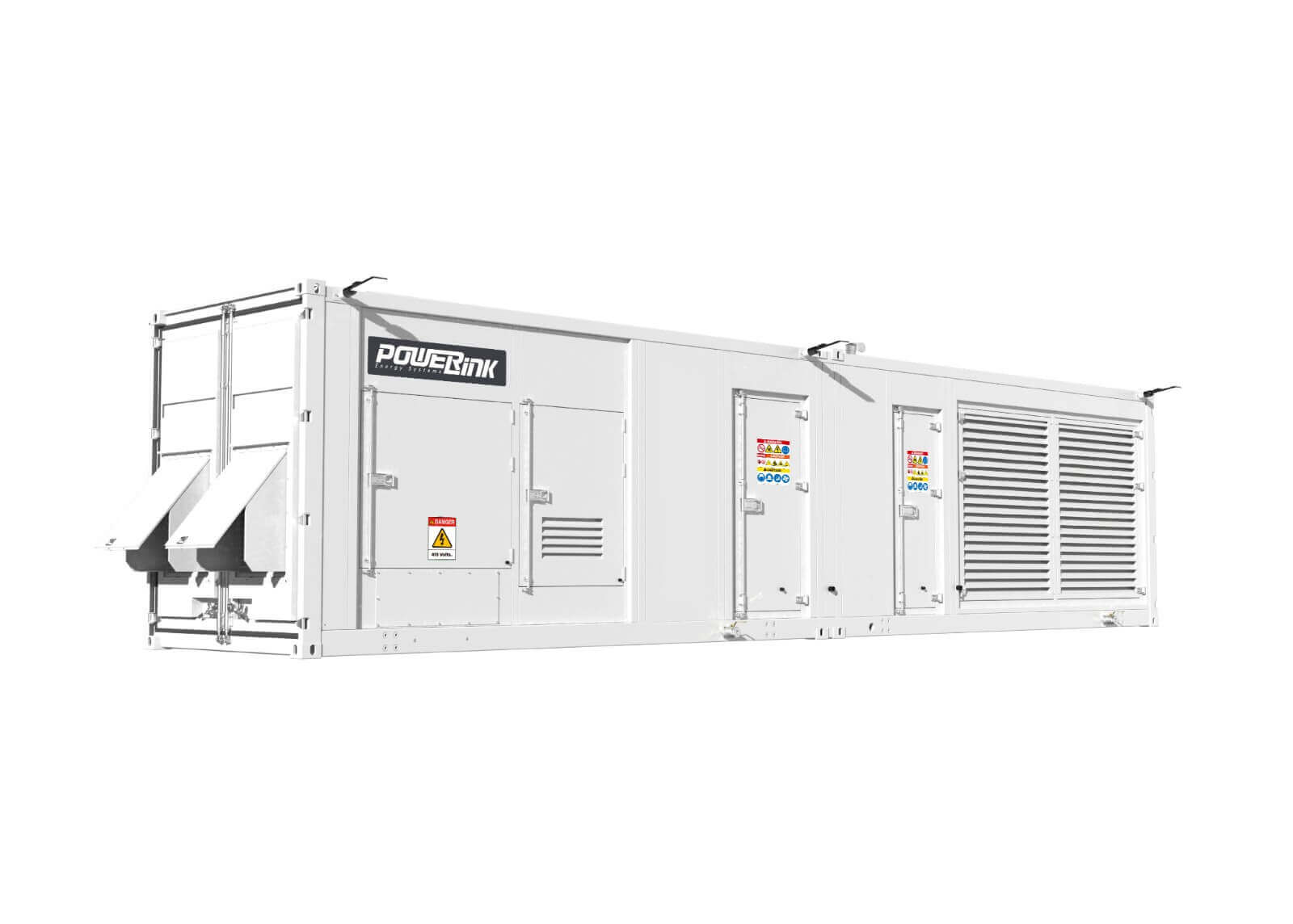
| Fuel Tank Capacity: | 2400L |
| Noise Level: | 79dBA@1 meter |
| Rated Volatge: | 10.5/11KV |
| Emission Standard: | Non |
| Compliance with Standards: | CE |
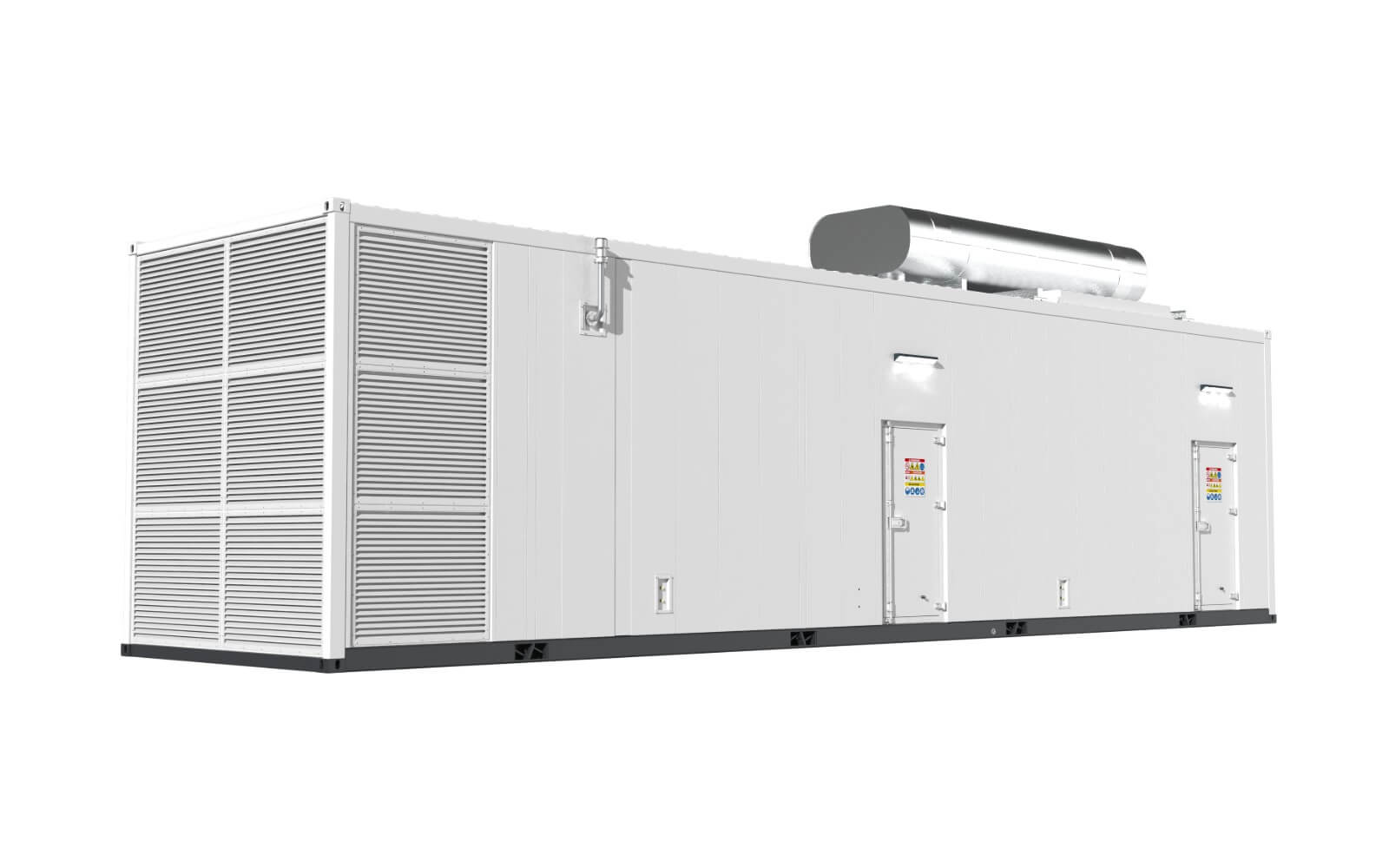
| Fuel Tank Capacity: | 2400L |
| Noise Level: | 85dBA@1 meter |
| Rated Volatge: | 10.5/11KV |
| Emission Standard: | Non |
| Compliance with Standards: | CE |
| Fuel Tank Capacity: | 2400L |
| Noise Level: | 85dBA@1 meter |
| Rated Volatge: | 10.5/11KV |
| Emission Standard: | Non |
| Compliance with Standards: | CE |
| Fuel Tank Capacity: | 2400L |
| Noise Level: | 85dBA@1 meter |
| Rated Volatge: | 10.5/11KV |
| Emission Standard: | Non |
| Compliance with Standards: | CE |
| Fuel Tank Capacity: | 2400L |
| Noise Level: | 85dBA@1 meter |
| Rated Volatge: | 10.5/11KV |
| Emission Standard: | Non |
| Compliance with Standards: | CE |
| Fuel Tank Capacity: | 2400L |
| Noise Level: | 79dBA@1 meter |
| Rated Volatge: | 4.16KV/13.8KV |
| Emission Standard: | EPA |
| Compliance with Standards: | UL |
| Fuel Tank Capacity: | 2400L |
| Noise Level: | 79dBA@1 meter |
| Rated Volatge: | 4.16KV/13.8KV |
| Emission Standard: | EPA |
| Compliance with Standards: | UL |
| Fuel Tank Capacity: | 2400L |
| Noise Level: | 85dBA@1 meter |
| Rated Volatge: | 4.16KV/13.8KV |
| Emission Standard: | EPA |
| Compliance with Standards: | UL |
| Fuel Tank Capacity: | 2400L |
| Noise Level: | 85dBA@1 meter |
| Rated Volatge: | 4.16KV/13.8KV |
| Emission Standard: | EPA |
| Compliance with Standards: | UL |
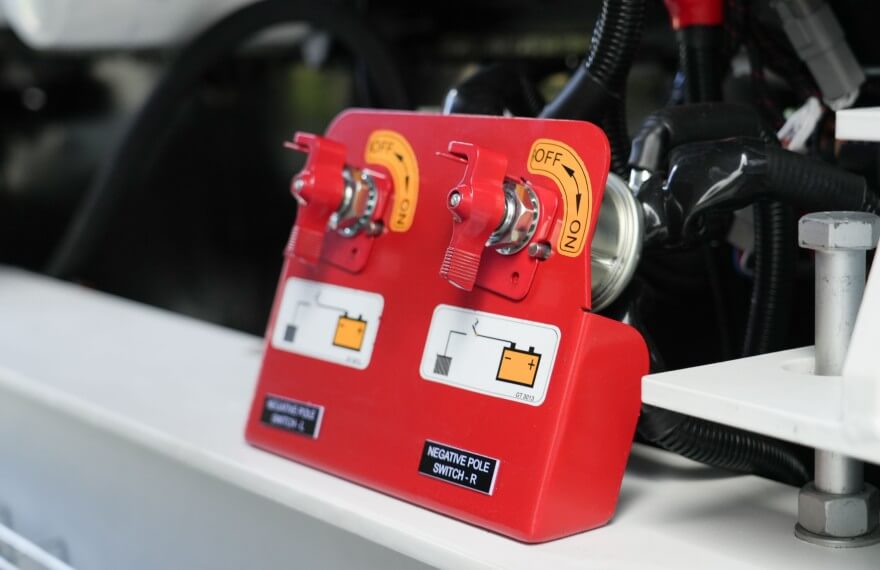
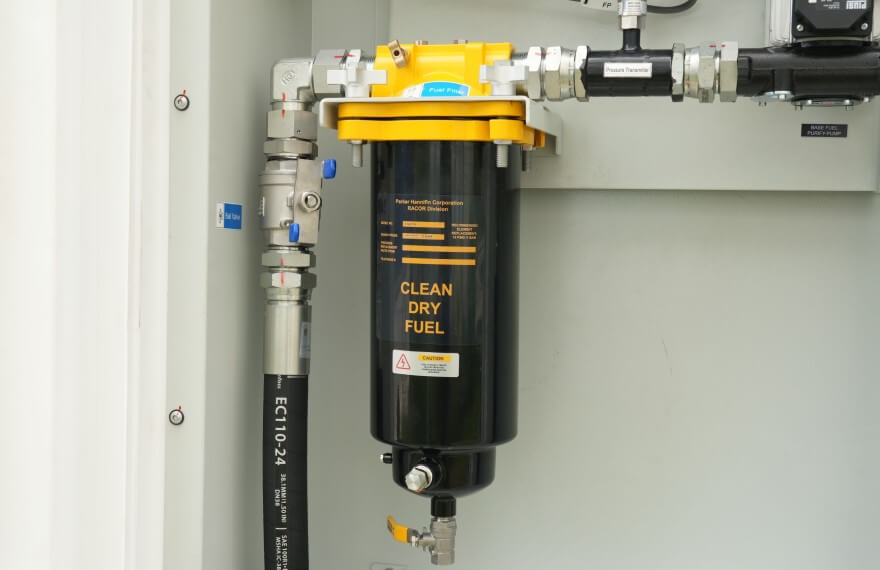
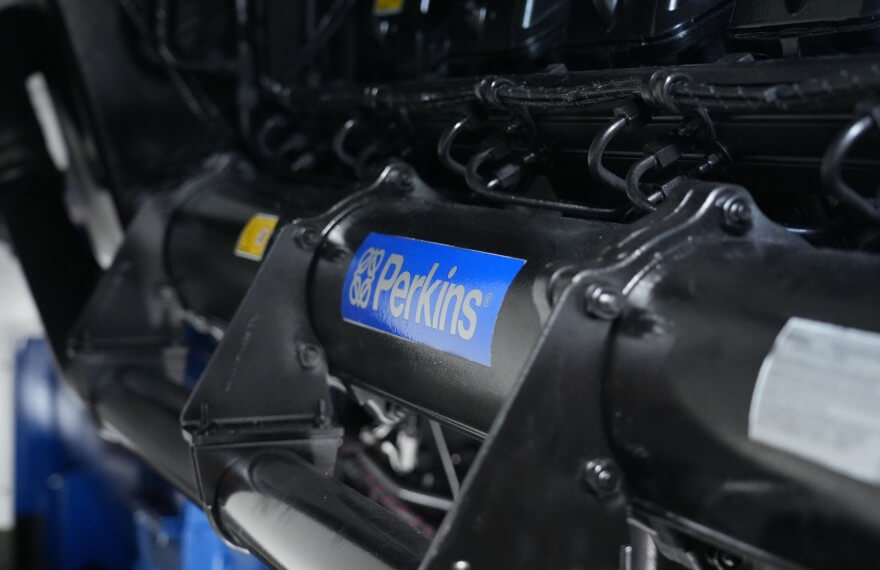
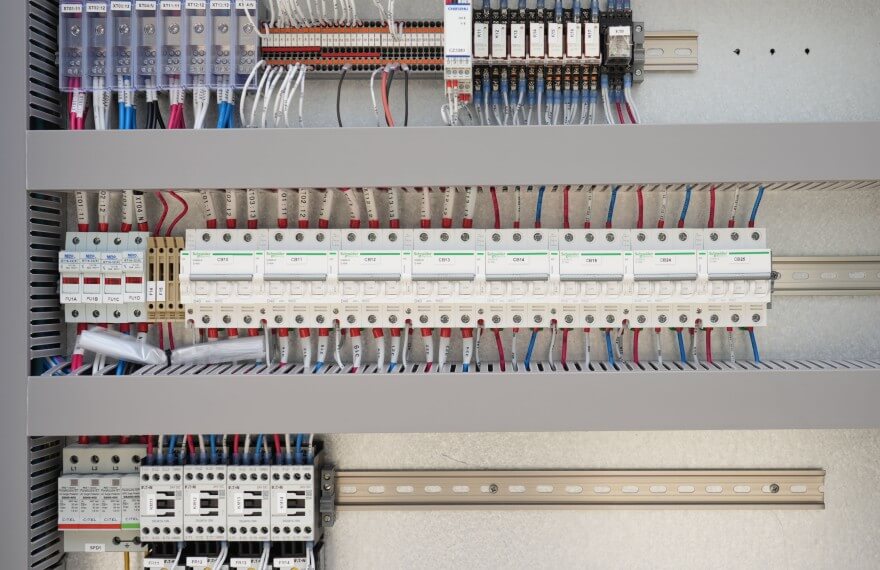
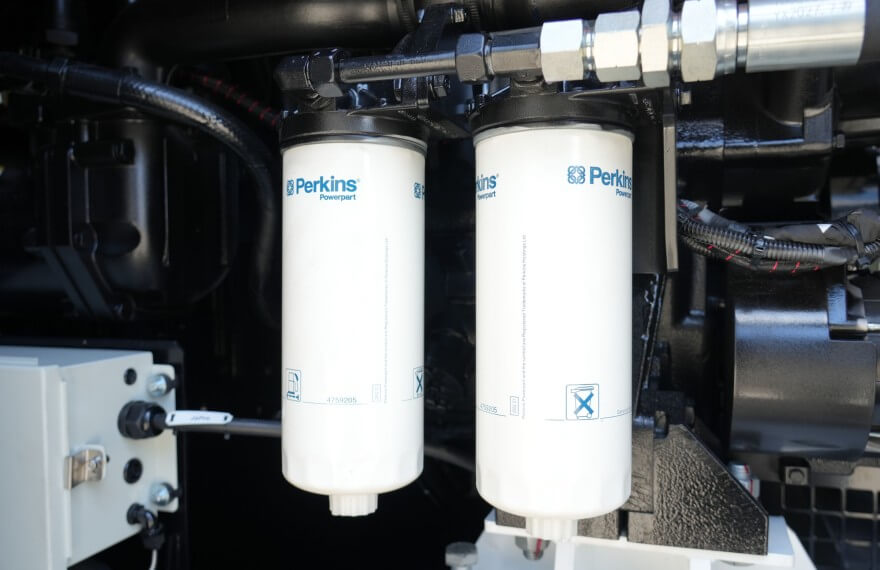
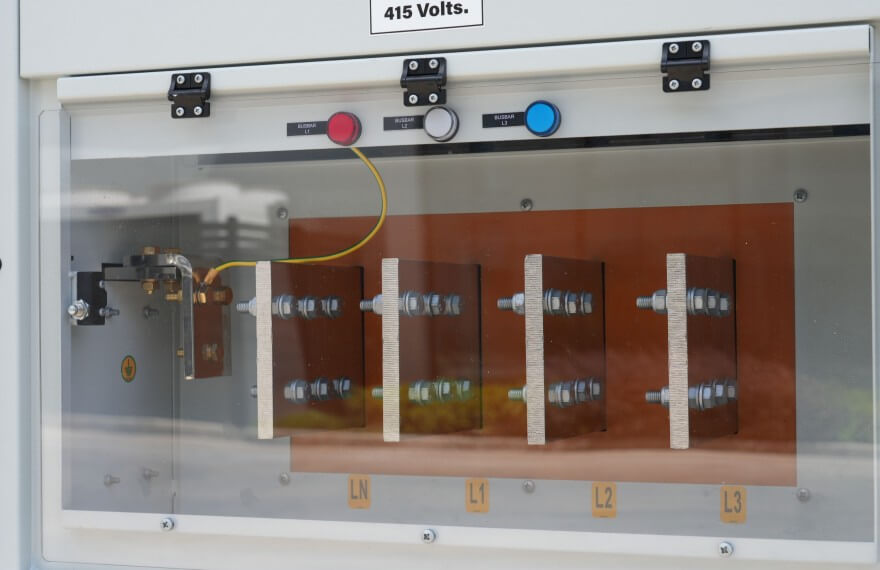
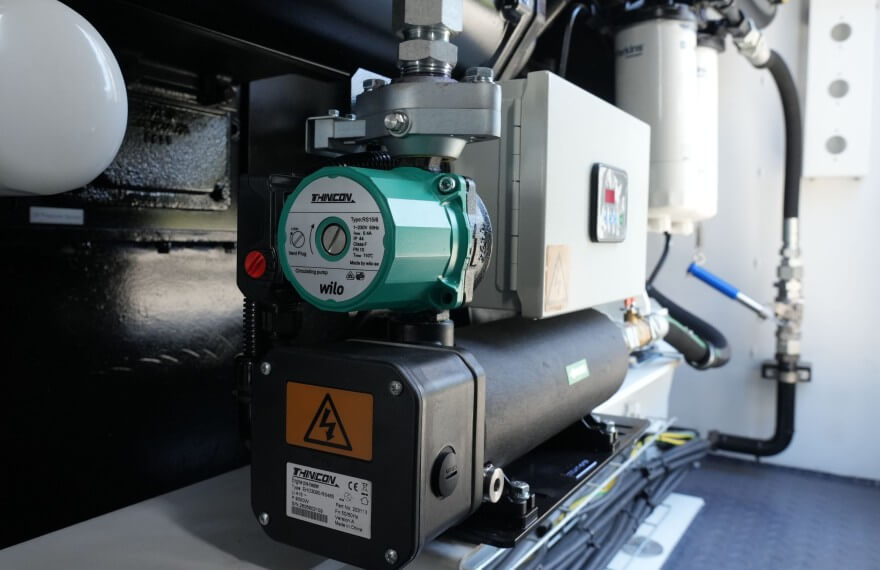
Visual Details
FAQ
How to determine generator‑set capacity?
Sizing for data‑centre gensets shall consider these factors:
- Total IT load: Aggregated power draw of servers, storage and networking hardware.
- PUE requirements: Power‑Usage‑Effectiveness determines power demand for non‑IT loads such as cooling and lighting.
- N+1 redundancy: Data centres commonly adopt N+1 or 2N redundancy so that remaining units can carry full load if one unit fails.
- Future expansion: Reserve 20%‑30% capacity margin.
- Parallel‑operation considerations: When multiple gensets run in parallel, avoid excessively large single‑unit ratings to prevent excessive power shortfall upon single‑unit failure.
What product series are provided from PowerLink?
- Low‑voltage series: 400V/415V/480V ,with power ranging from 2000kW to 3750kW.
- High‑voltage series: 10.5kV/11kV/13.8KV ,with power ranging from 2500kW to 3750kW.
What are the differences between low‑voltage and high‑voltage generator sets? How to select?
Selection advice: For small‑to‑medium data centres (single‑unit capacity ≤3000kW), low‑voltage units are preferred for direct integration with existing low‑voltage distribution. For large data centres (single‑unit capacity ≥3000kW) with high‑voltage infrastructure, high‑voltage units are recommended to reduce transmission loss and cable costs.
What is the difference between PRP and DCP?
- PRP (Prime Power Rating): The maximum power the genset can deliver continuously under standard operating conditions, with a 10% overload capability, for applications requiring prime‑power supply.
- DCP (Data Center Power): A power rating defined specifically for data‑centre operation; it represents the recommended continuous operating power for data‑centre loads.
In selection, regular operating load of the data centre shall not exceed the DCP rating. PRP may be referenced for short‑term overload conditions.
What is the difference between EFC and ECU fuel‑control systems?
- EFC (Electronic Fuel Control): Regulates fuel‑injection quantity via electronic signals to stabilise speed and frequency. Proven and easy to maintain; suited for applications without extreme governing‑accuracy demands.
- ECU (Electronic Control Unit): Full electronic control integrating governing, protection and monitoring functions. Delivers superior control precision and supports richer communication and monitoring protocols.