


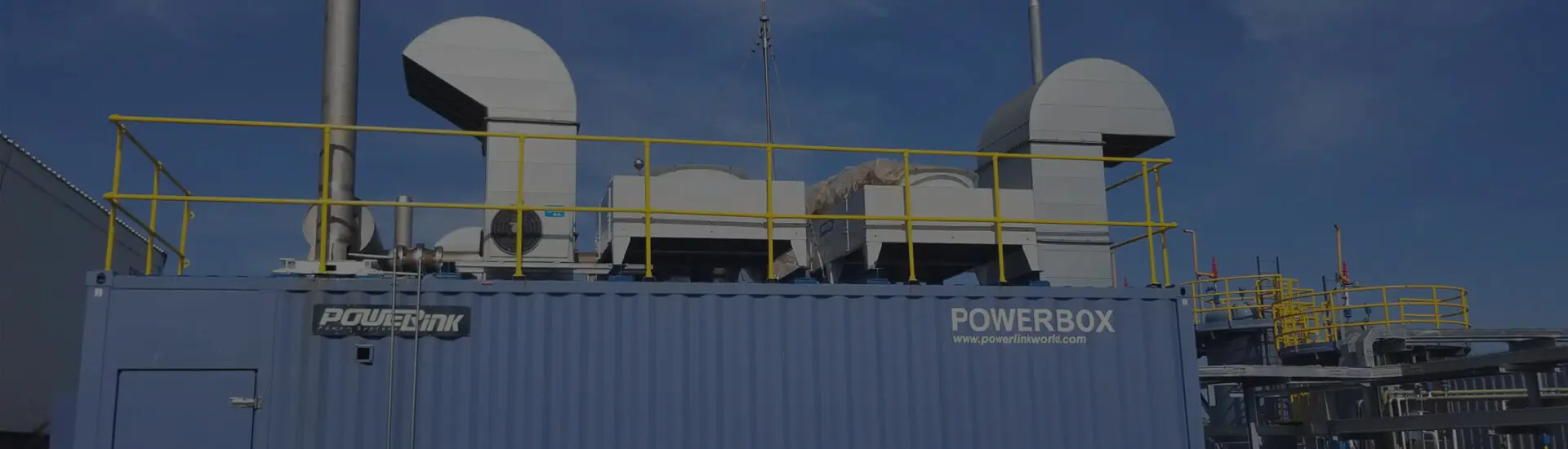
100KVA Huawei datacenter Standby Power
Feb 05,2019
Project Overview
A Huawei data center site in Indonesia needed dependable standby power for its facility loads. PowerLink supplied two WPS50S soundproof diesel generator sets, rated together at 100KVA, in Prime Supply mode.
The site runs critical equipment around the clock, so the backup fleet had to start reliably, hold stable voltage and frequency under load, and keep noise within limits for a data center environment.
- LocationIndonesia
- Equipment2 x WPS50S
- Electric output modePrime Supply
- Field / fuelDatacenter / Diesel
- Total output power100KVA
- Inquiry Now ➔
The Challenge
Data centers cannot accept a power gap. Any interruption at the input translates directly into risk for servers, cooling and network gear, so standby generators must pick up the load the moment the mains drops.
The Indonesia site sits in a hot, humid climate where a genset enclosure works hard. Reliable starting in heat, clean power output, and a service setup that a local team can maintain were the deciding factors.
The Solution
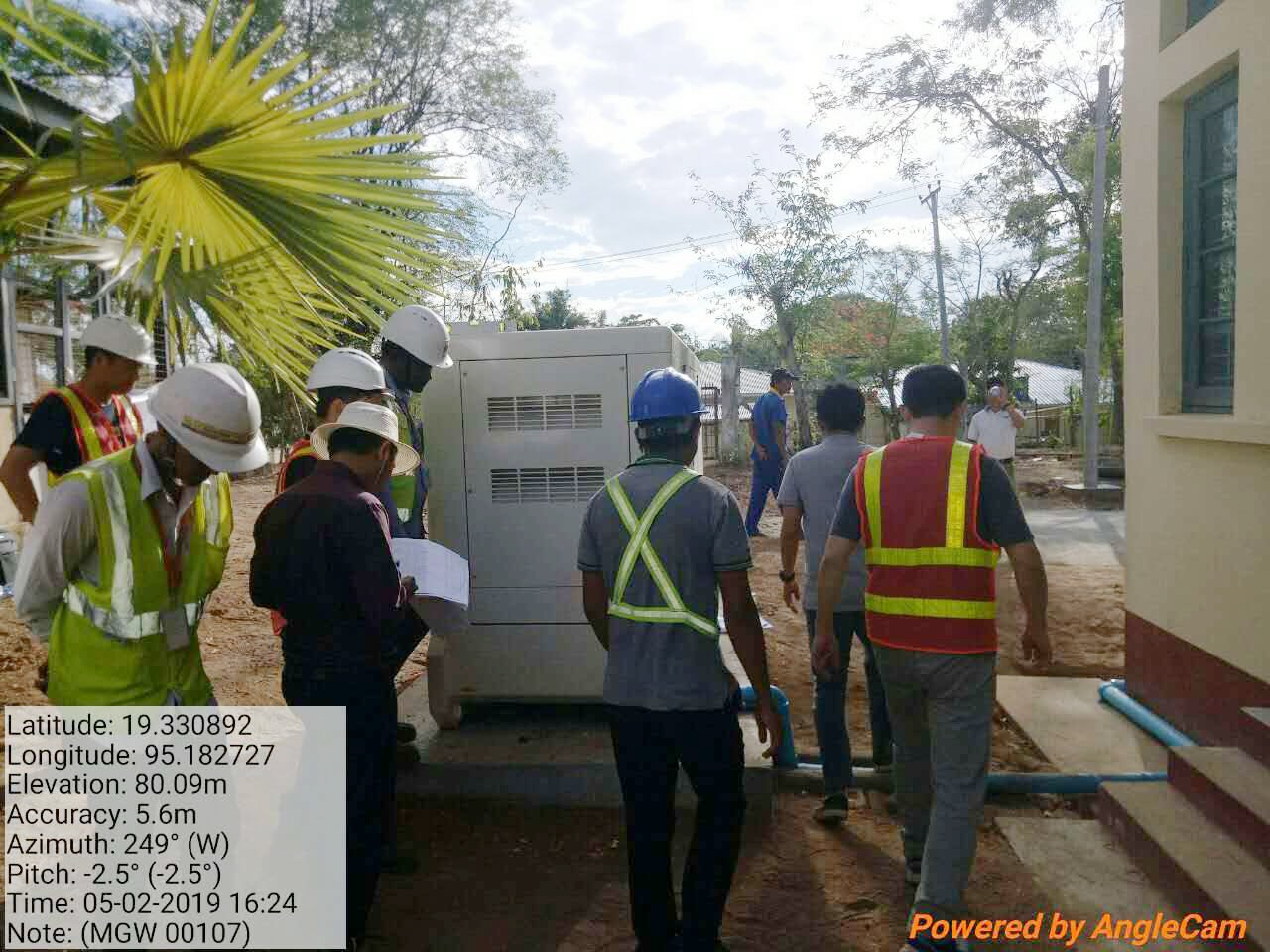
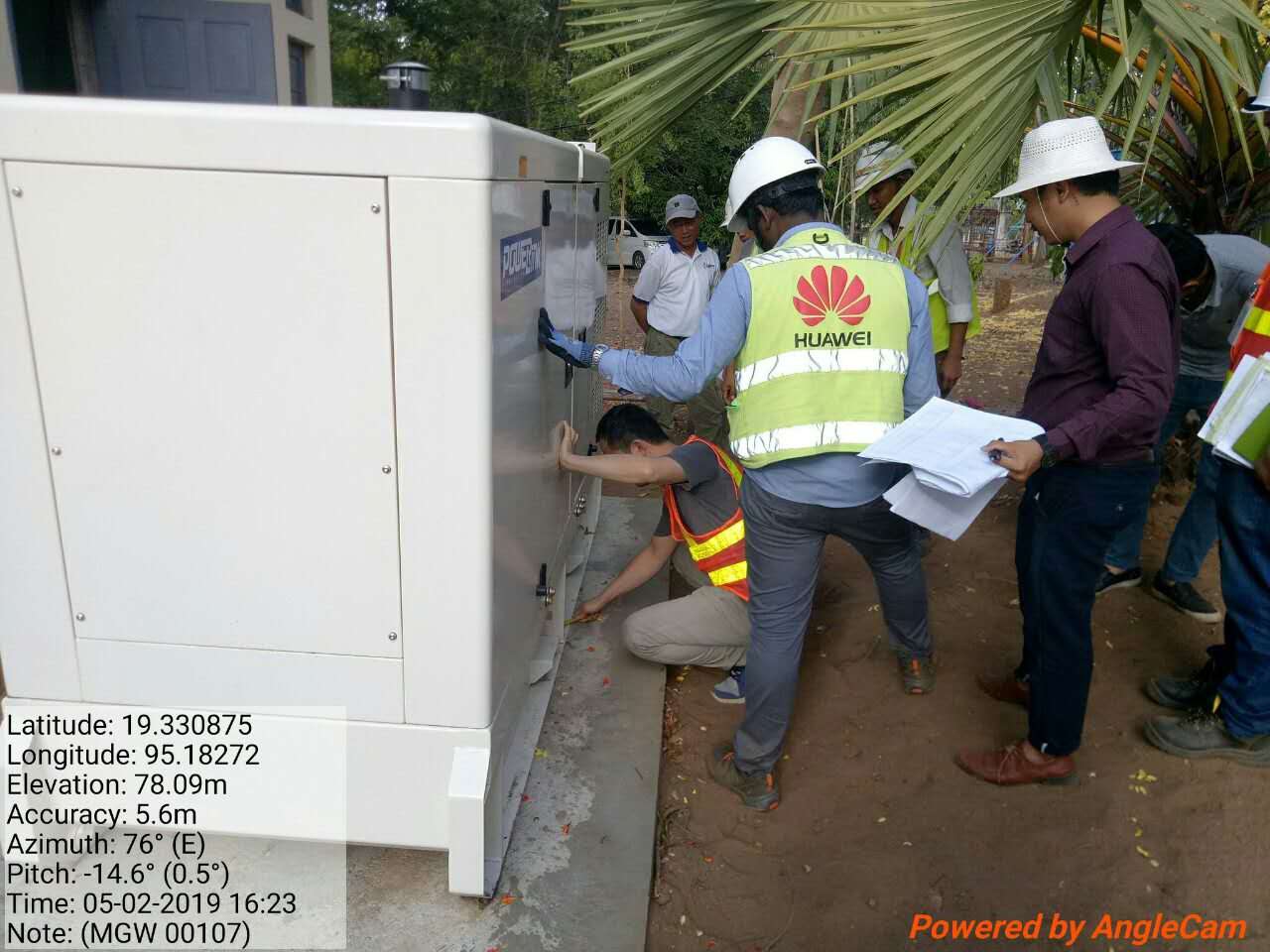
Two WPS50S units, each rated 50KVA, deliver 100KVA of total standby capacity in Prime Supply mode. The WPS soundproof series pairs a heavy-duty enclosure with low noise output, which suits a data center that cannot tolerate a loud diesel plant running next to it.
Both units run on diesel, the fuel of choice for standby duty because it stores well and starts fast. Prime Supply mode lets the pair carry the facility load directly, not only as an emergency backup but as a working power source when the site requires it.
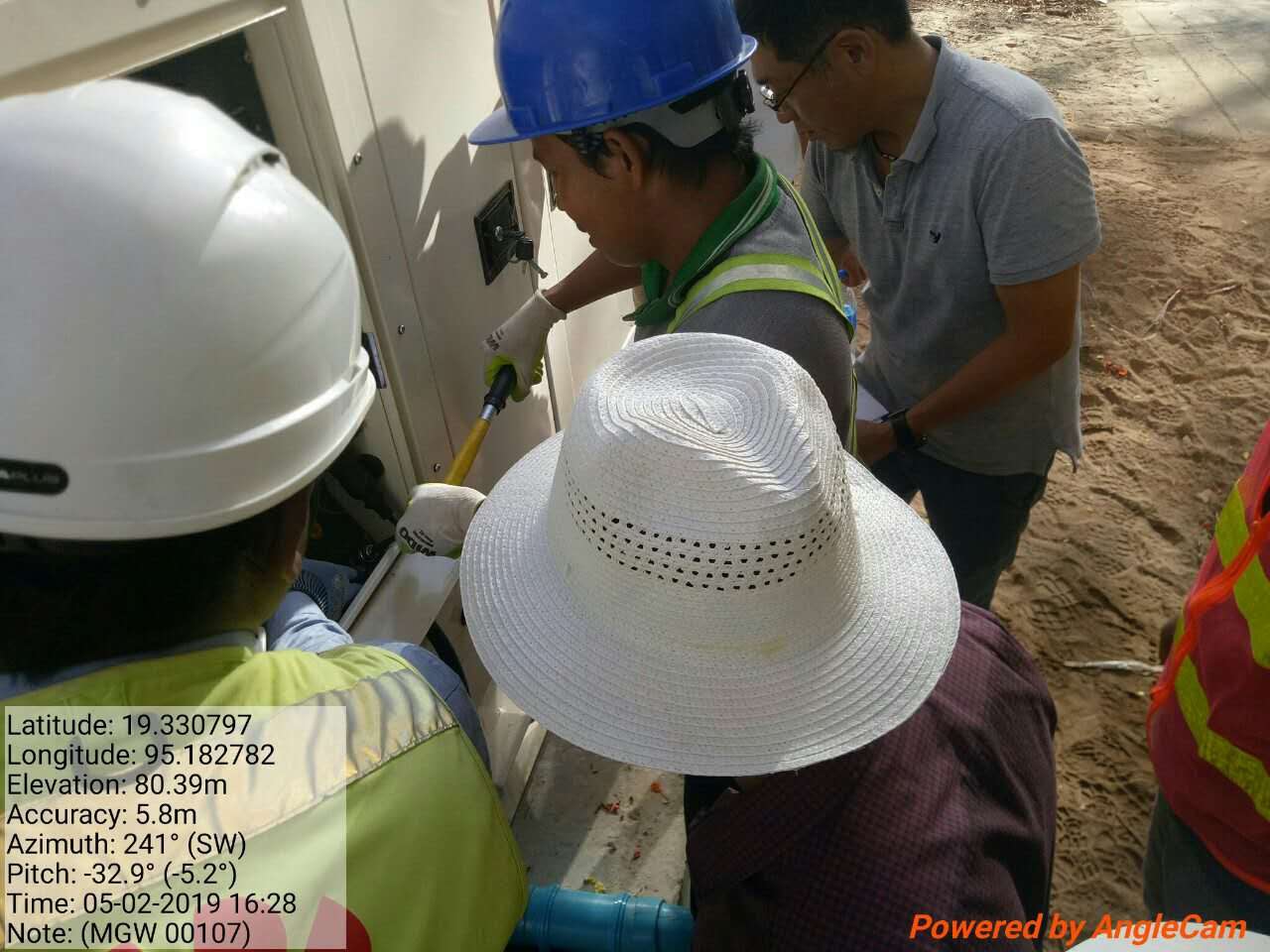
The project was delivered with the full PowerLink documentation package, including datasheets and test reports, so the local team had what it needed for commissioning and routine inspection.
Why WPS50S
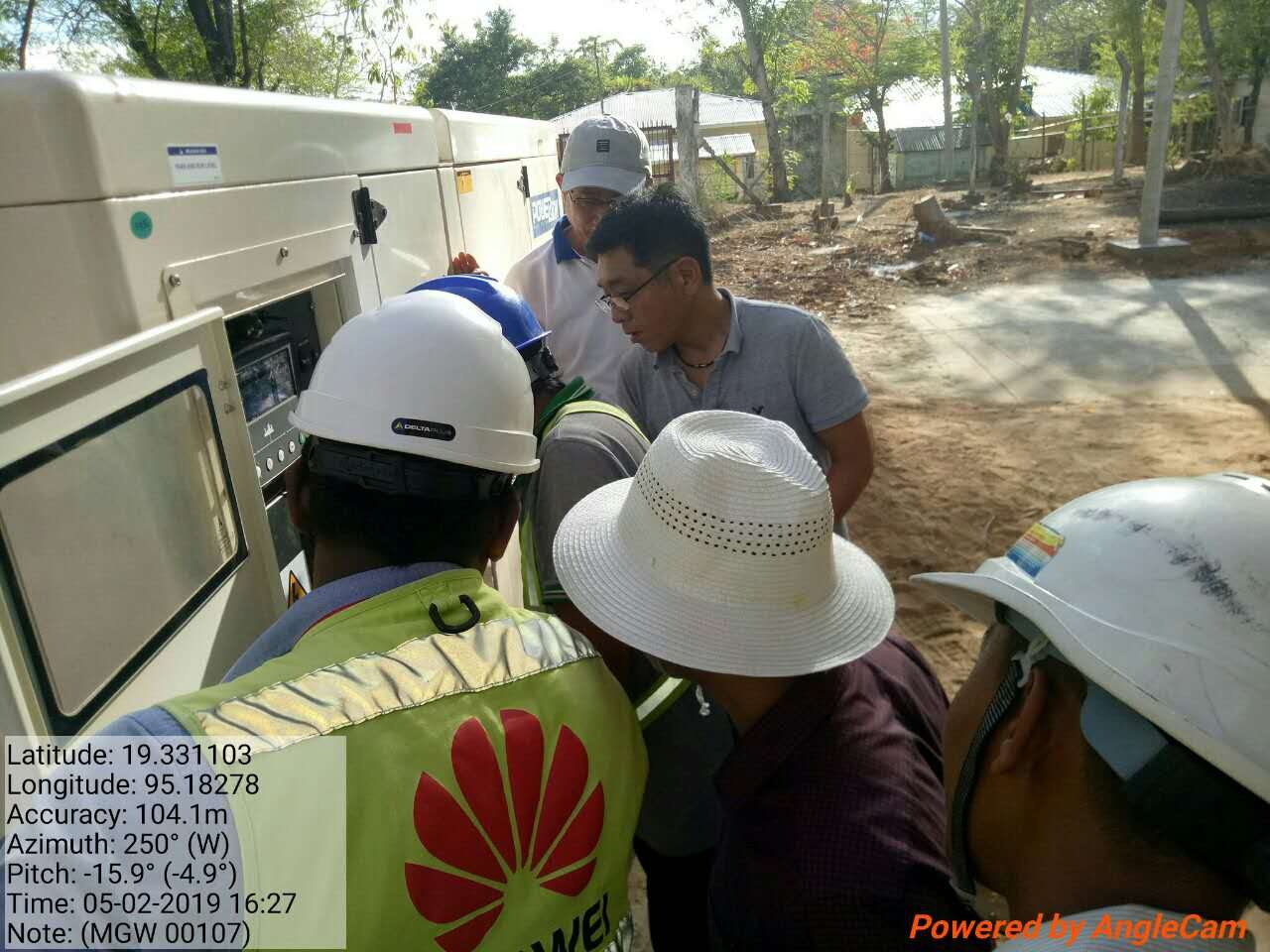
The WPS50S is built for continuous standby duty. The soundproof housing keeps operating noise low, the enclosure protects the set from heat, dust and rain, and the diesel engine starts quickly when called.
Two 50KVA sets instead of one 100KVA set add redundancy. If one unit needs service, the other can still carry a share of the load, which matters for a site that cannot schedule downtime.
--- END ---