400V 480V

Datacenter Generators

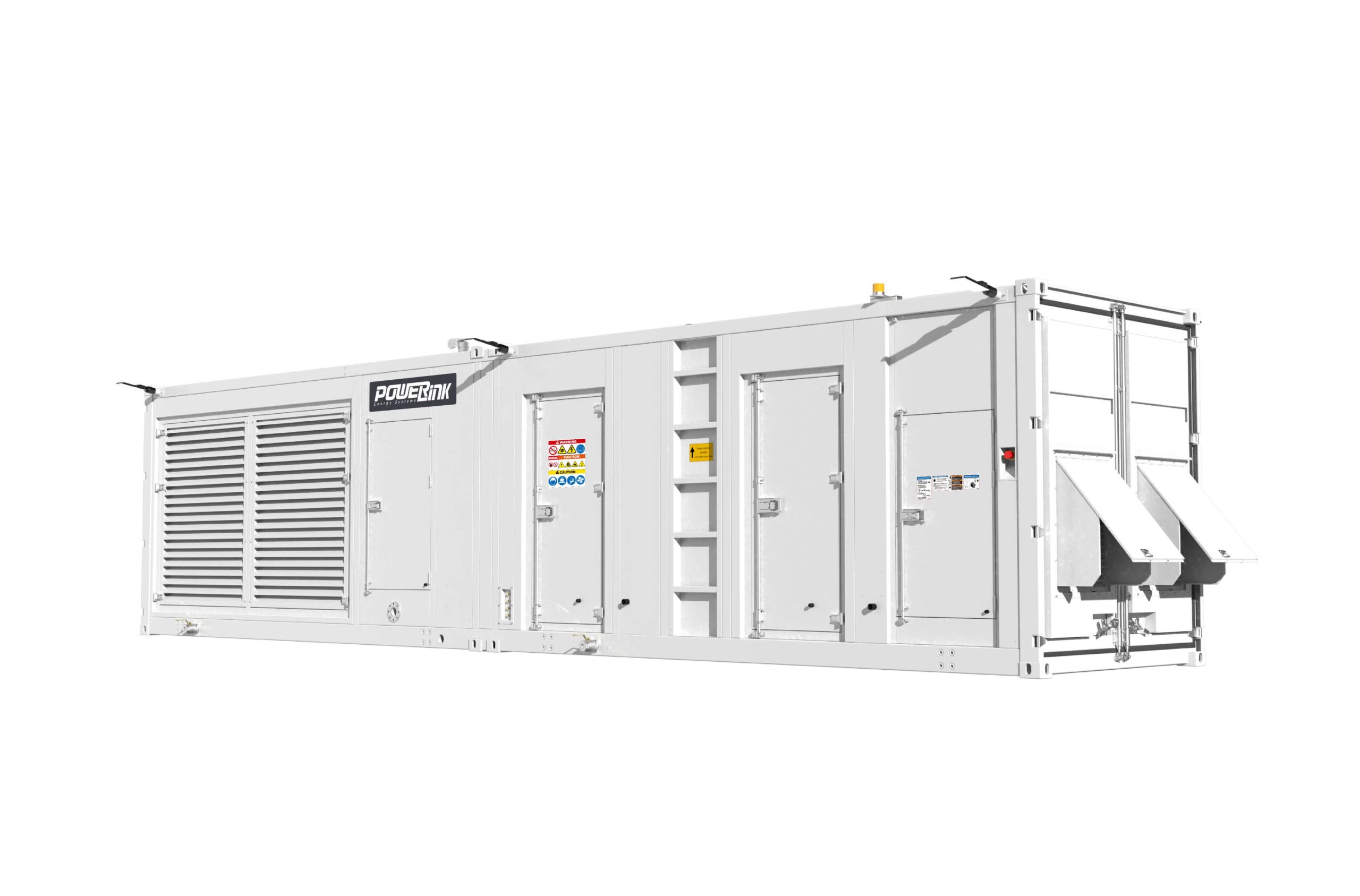
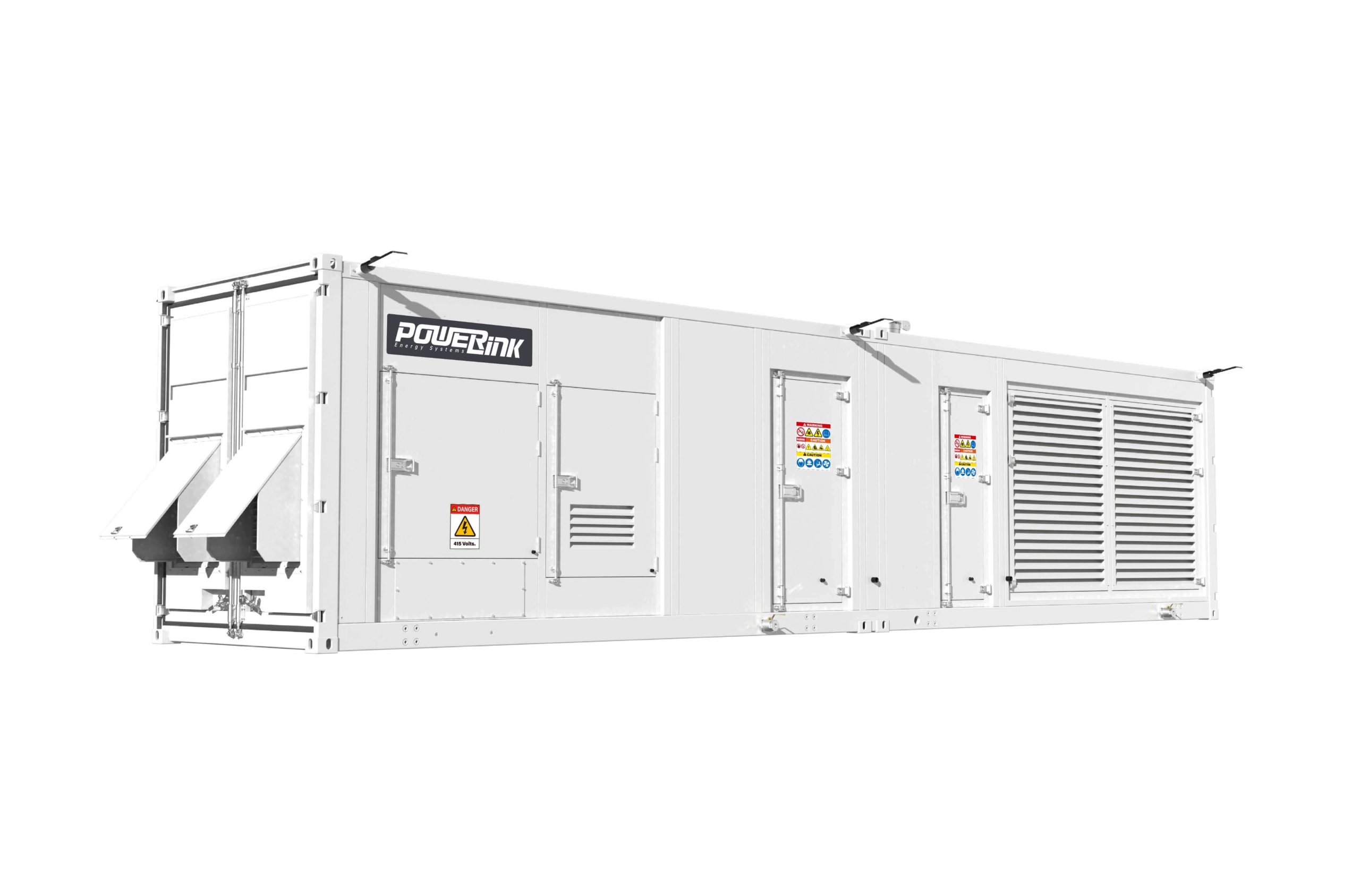
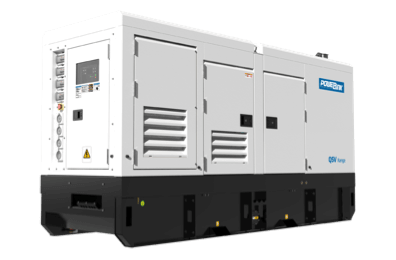
PowerLink Datacenter Units offer native 400V / 480V three‑phase output with configurable 50 Hz / 60 Hz frequency, directly interfacing with site distribution networks without extra transformers. Pre‑engineered for seamless multi‑generator paralleling, they support N+1 and 2N redundancy to meet Tier‑3 / Tier‑4 data‑centre resilience requirements.

Every genset completes rigorous factory full‑load testing before shipment. Intelligent PLC control maintains stable power output under highly dynamic, GPU‑heavy compute loads. The pre‑packaged container design cuts on‑site engineering effort and shortens project lead‑times. Suitable for single‑unit standby use or large paralleled generator farms for hyperscale AI clusters, the solution delivers reliable 24/7 backup protection for compute‑intensive infrastructure.

Commited to Service


Pre‑Built Containers

Commited to Service


24/7 Backup

Commited to Service


Paralleled Resilience

Commited to Service


Dual‑frequency flexibility

Features

Multi‑Generator Parallel Capability

Supports seamless genset paralleling to realise N+1 and 2N redundancy

Dual 50/60 Hz Flexibility

Factory‑configurable frequency adapts to grid standards across global markets for flexible international deployment

Pre‑Containerised Design

Core components are pre‑mounted inside robust containers, reducing on‑site labour

Native 400V / 480V Output

Delivers direct high‑voltage output to site distribution networks, removing the need for additional transformers and cutting capital costs

Ask an Expert

PowerLink provides tailored, high-efficiency energy solutions for sustainable power around the world.

Datacenter Genset Parameter

1600KW
1800KW
2000KW
2400KW
2700KW
3000KW
50HZ
60HZ

1600KW

PRP/DCP 1600KW 2000KVA
Emission Standard Non
Compliance with Standards CE
Voltage 400V
Noise Level @ 75% Load 79
Fuel Tank Capacity 2400L

Specification

Warranty Manual

PRP/DCP 1600KW 2000KVA
Emission Standard EPA
Compliance with Standards UL
Voltage 480V
Noise Level @ 75% Load 79
Fuel Tank Capacity 2400L

Specification

Warranty Manual

50HZ
60HZ

1800KW

PRP/DCP 1800KW 2250KVA
Emission Standard Non
Compliance with Standards CE
Voltage 400V
Noise Level @ 75% Load 79
Fuel Tank Capacity 2400L

Specification

Warranty Manual

PRP/DCP 1800KW 2250KVA
Emission Standard EPA
Compliance with Standards UL
Voltage 480V
Noise Level @ 75% Load 79
Fuel Tank Capacity 2400L

Specification

Warranty Manual

50HZ

2000KW

PRP/DCP 2000KW 2500KVA
Emission Standard Non
Compliance with Standards CE
Voltage 400V
Noise Level @ 75% Load 79
Fuel Tank Capacity 2400L

Specification

Warranty Manual

50HZ

2400KW

PRP/DCP 2400KW 3000KVA
Emission Standard Non
Compliance with Standards CE
Voltage 400V
Noise Level @ 75% Load 85
Fuel Tank Capacity 2400L

Specification

Warranty Manual

50HZ

2700KW

PRP/DCP 2700KW 3375KVA
Emission Standard Non
Compliance with Standards CE
Voltage 400V
Noise Level @ 75% Load 85
Fuel Tank Capacity 2400L

Specification

Warranty Manual

50HZ

3000KW

PRP/DCP 3000KW 3750KVA
Emission Standard Non
Compliance with Standards CE
Voltage 400V
Noise Level @ 75% Load 85
Fuel Tank Capacity 2400L

Specification

Warranty Manual

Case

PowerLink 2000kW COP Modular PowerPod Solution for Data Center

PowerLink 2000kW COP Modular PowerPod Solution for Data Center

  • Equipment: 2500KVA intelligent container genset
  • Scheme: Double-layer staggered stacking backup power system
  • Field: High-reliability power guarantee for Tier III/IV AIDC
  • Power Range: 2000kW single unit, scalable MW-level cluster
Learn More
100KVA Huawei datacenter Standby Power

100KVA Huawei datacenter Standby Power

  • Location: Indonesia
  • Equipment: 2*WPS50S
  • Electric output mode: Prime Supply
  • Field / fuel: Datacenter / Diesel
  • Total output power: 100KVA
Learn More

FAQs

How to determine generator‑set capacity?

Sizing for data‑centre gensets shall consider these factors:
  1. Total IT load: Aggregated power draw of servers, storage and networking hardware.
  2. PUE requirements: Power‑Usage‑Effectiveness determines power demand for non‑IT loads such as cooling and lighting.
  3. N+1 redundancy: Data centres commonly adopt N+1 or 2N redundancy so that remaining units can carry full load if one unit fails.
  4. Future expansion: Reserve 20%‑30% capacity margin.
  5. Parallel‑operation considerations: When multiple gensets run in parallel, avoid excessively large single‑unit ratings to prevent excessive power shortfall upon single‑unit failure.

What are the differences between 400V~480V and 4.16KV~13.8KV generator sets? How to select?

Selection advice: For small‑to‑medium data centres (single‑unit capacity ≤3000kW), 400V~480V units are preferred for direct integration with existing low‑voltage distribution. For large data centres (single‑unit capacity ≥3000kW) with high‑voltage infrastructure, 4.16KV~13.8KV units are recommended to reduce transmission loss and cable costs.

What is the difference between PRP and DCP?

  • PRP (Prime Power Rating): The maximum power the genset can deliver continuously under standard operating conditions, with a 10% overload capability, for applications requiring prime‑power supply.
  • DCP (Data Center Power): A power rating defined specifically for data‑centre operation; it represents the recommended continuous operating power for data‑centre loads.
In selection, regular operating load of the data centre shall not exceed the DCP rating. PRP may be referenced for short‑term overload conditions.

All products provided by our company are energy products
Welcome to contact us